It provides mostly unsaturated fat
Current NHS liver guidance specifically places avocado among foods that can replace sources of saturated fat.
Food question
Avocado can fit well within a MASLD eating pattern. NHS liver-disease guidance recommends replacing saturated fats with unsaturated-fat foods and specifically includes avocado among those choices. That makes avocado a useful food swap in context — not a treatment, detox food or proven way to reduce liver fat by itself.
General information, not personalised medical advice. Weight-management needs, kidney disease, digestive conditions, diabetes treatment or a prescribed diet can change what is appropriate for you.
The quick answer
University Hospitals of Leicester NHS guidance for fatty liver disease advises eating less saturated fat and choosing foods containing unsaturated fats instead, explicitly listing vegetable oils, oily fish and avocados. Bedfordshire Hospitals' MASLD quick tips similarly lists avocados and avocado oil among monounsaturated-fat choices.
These recommendations sit inside a broader pattern: more vegetables, fruit, wholegrains, pulses and other minimally processed foods, alongside appropriate weight management and physical activity where advised. The strongest conclusion is therefore about fat quality and food substitution, not a special avocado effect on the liver.
Why it can fit
Its value is ordinary nutrition and substitution. You do not need to treat it as a “superfood”.
Current NHS liver guidance specifically places avocado among foods that can replace sources of saturated fat.
Mashed avocado can replace butter or a thick layer of mayonnaise in some meals, changing the fat profile without needing a specialist product.
Unlike oils, avocado is a whole food and contributes fibre alongside its fat, making it useful in meals built around vegetables, pulses and wholegrains.
Avocado is not a traditional requirement of the Mediterranean diet, but its unsaturated-fat profile can fit the same broad food-quality principles.
In real meals
Avocado can improve the quality of a meal, but the rest of the plate still matters. A large avocado added to an already energy-dense meal is different from using a modest amount to replace butter, creamy dressing or a less useful snack.
Portion context
Avocado is nutrient-dense and energy-dense. That does not make it a food to avoid, but it does mean a whole large avocado is not automatically better than a smaller amount. If weight loss has been recommended as part of MASLD management, total energy intake still matters.
There is no universal MASLD avocado dose. Appetite, body size, activity, the rest of the meal and individual clinical goals all affect what is sensible.
Our Foods to Eat guide shows how unsaturated-fat foods sit alongside vegetables, wholegrains, pulses, fish and other everyday choices.
Common questions
For most people, avocado can fit within a balanced MASLD eating pattern. NHS liver guidance specifically includes avocado as an unsaturated-fat choice. Individual medical conditions or prescribed diets may change that advice.
Do not assume that from food guidance. Recommendations support avocado as part of a healthier overall pattern and as a saturated-fat swap; they do not establish avocado as a stand-alone treatment that reliably reduces liver fat.
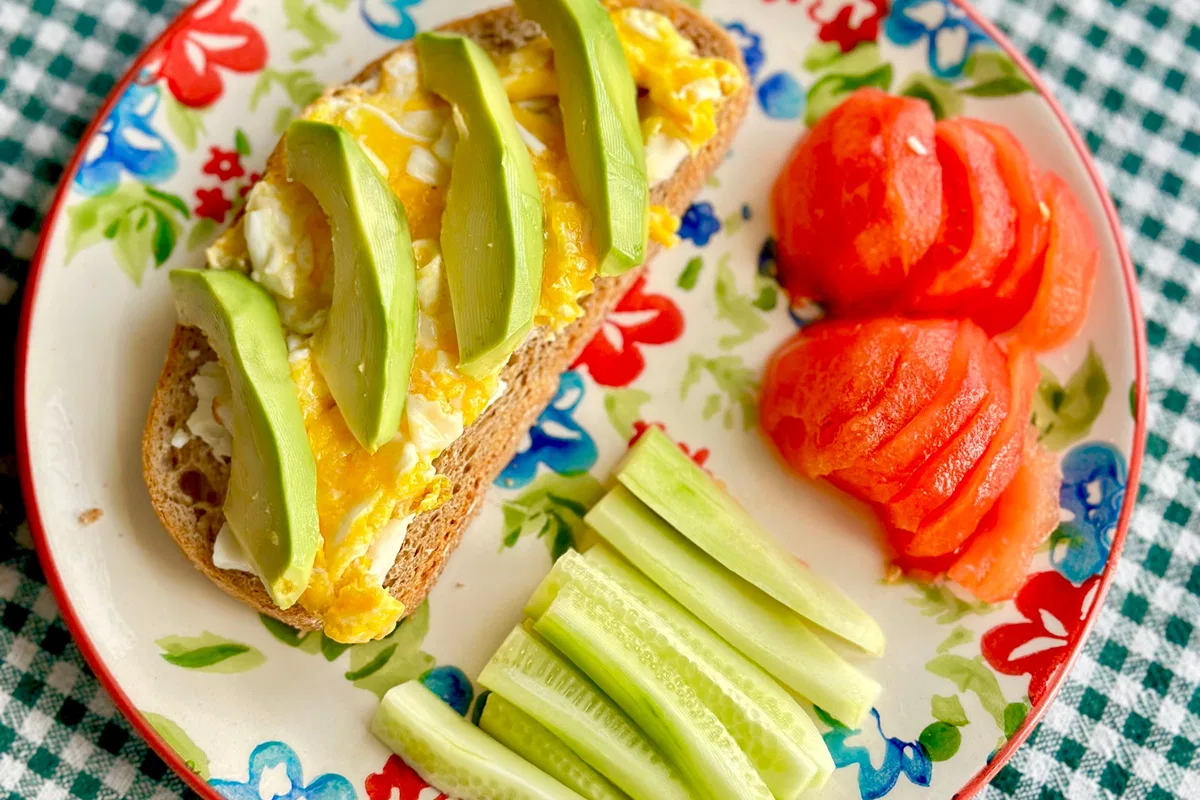
It can be a sensible meal, particularly on wholegrain bread and with vegetables or a protein source. The whole meal matters more than the avocado label on its own.
Guacamole made mainly from avocado, vegetables, herbs and lime can fit. Pay attention to what accompanies it, because large portions of fried chips or heavily salted foods can change the overall meal.
There is no universal MASLD amount. Use a portion that fits the rest of your diet and any weight-management or medical advice you have been given rather than following a fixed online dose.
Evidence & sources
This page prioritises NHS and specialist clinical guidance. It keeps the claim at food-pattern level and does not turn small avocado studies or general nutrition findings into a MASLD treatment promise.