Vegetables do real work
Recipes use vegetables as meaningful parts of the meal rather than a decorative side note.
Practical food, not a medical menu
There is no single set of special “fatty liver recipes”. A useful recipe library turns the broader MASLD eating pattern into meals you would actually cook: plenty of vegetables, higher-fibre staples, suitable protein foods and mostly unsaturated fats, with sugary drinks and heavily processed foods kept less routine.
These are general cooking and meal-planning ideas, not personalised medical nutrition therapy. Your needs may differ if you have diabetes, kidney disease, advanced liver disease, allergies, unplanned weight loss or another clinical condition.
The quick answer
Current MASLD guidance focuses on the overall dietary pattern rather than prescribing a list of disease-specific dishes. European guidance recommends improving diet quality in a Mediterranean-style direction, limiting ultra-processed foods rich in sugar and saturated fat, and avoiding sugar-sweetened drinks. NHS guidance similarly promotes balanced meals with vegetables, fibre-rich carbohydrate foods, suitable protein and mainly unsaturated fats.
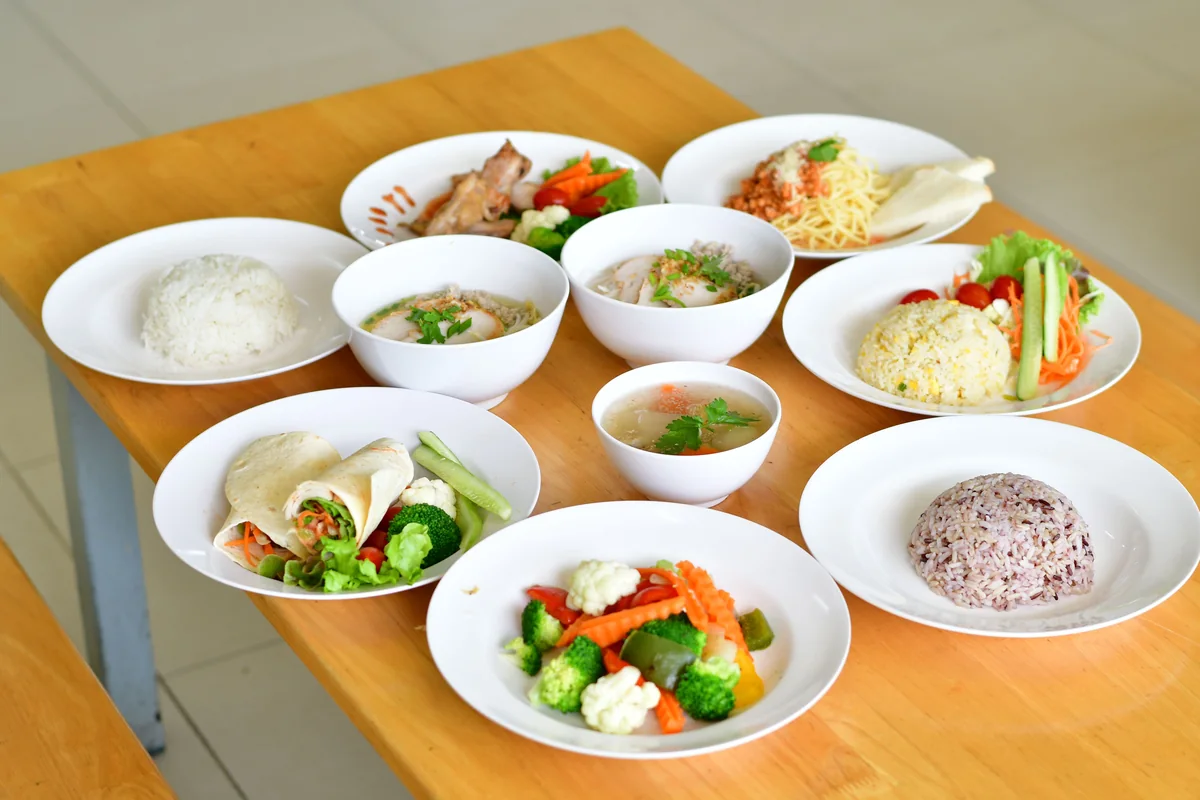
So this recipe library is built around ordinary meals that make those principles easier to use. Think porridge with fruit and plain yoghurt; bean and vegetable soup; wholegrain wraps with salad and hummus, egg, tuna or chicken; lentil curry; vegetable pasta; tray-baked fish with potatoes and vegetables; or similar combinations that fit your preferences and budget.
Browse by meal
These four collections own meal-specific discovery. The Recipe Finder is better when you want to filter by time, eating pattern or ingredient.
Morning
Porridge, yoghurt bowls, eggs, wholegrain toast and other practical starts that do not rely on sugary breakfast foods.
Midday
Soups, salads, wraps, grain bowls and leftovers designed to make lunch more useful than an afterthought.
Evening
Vegetable-rich curries, traybakes, pasta dishes, fish, pulses and other realistic family-style evening meals.
If hungry
Simple snack combinations built around fruit, vegetables, plain yoghurt, nuts, seeds and other everyday foods.
Free recipe tool
The Recipe Finder is the interactive route through the library. Filter meal ideas by breakfast, lunch, dinner or snacks; flexible, pescatarian or vegetarian eating; maximum cooking time; main ingredient; or a simple text search.
How the recipes are shaped
The aim is to make evidence-led eating easier to cook, shop for and repeat — not to turn every recipe into a nutrition lecture.
Recipes use vegetables as meaningful parts of the meal rather than a decorative side note.
Fish, beans, lentils, tofu, eggs, yoghurt and lean poultry give the library flexible plant and animal-protein routes.
Oats, wholegrain bread, brown rice, wholewheat pasta, potatoes with skins and pulses are used where they make sense.
Olive or rapeseed oil, nuts, seeds and fish fit the pattern better than making butter, cream or processed meat the default.
Frozen vegetables, tinned beans, tinned fish and sensible leftovers can make the difference between a usable recipe and an unrealistic one.
Recipe directions
These are examples of the kinds of meals the recipe cluster is designed to develop, not a prescribed menu or complete recipes on this hub.
Oats, chopped apple, cinnamon and plain yoghurt make a simple higher-fibre breakfast base.
A batch-cook lunch using lentils, vegetables, herbs and a wholegrain bread side if wanted.
A one-tray meal that combines fish, vegetables and a familiar starchy staple without complicated preparation.
A simple combination rather than a specialist “liver snack” or supplement product.
Turn ideas into a week
Start with taste, budget, time and household preferences. A theoretically perfect recipe that you dislike is not useful.
Choose several recipes that share vegetables, grains, herbs or protein foods so the shopping list stays manageable.
Use the Meal Planner and Shopping List Builder after choosing ideas, rather than buying a generic “fatty liver foods” basket first.
Useful next steps
The recipe hub owns broad recipe discovery. These live tools and guides solve the adjacent jobs without duplicating it.
Filter practical meal ideas by meal occasion, time, eating pattern and ingredient.
Turn meal ideas into a flexible example week rather than choosing each meal separately.
Organise the foods you actually intend to buy after you have chosen meals.
Use a simple visual structure when you are inventing or adapting a meal yourself.
Evidence checked 18 August 2026
See our editorial policy, evidence policy and medical disclaimer.