They bring fibre
Beans and pulses are useful sources of dietary fibre. That makes them a natural fit with guidance favouring whole plant foods and higher-fibre carbohydrate choices.
Food question
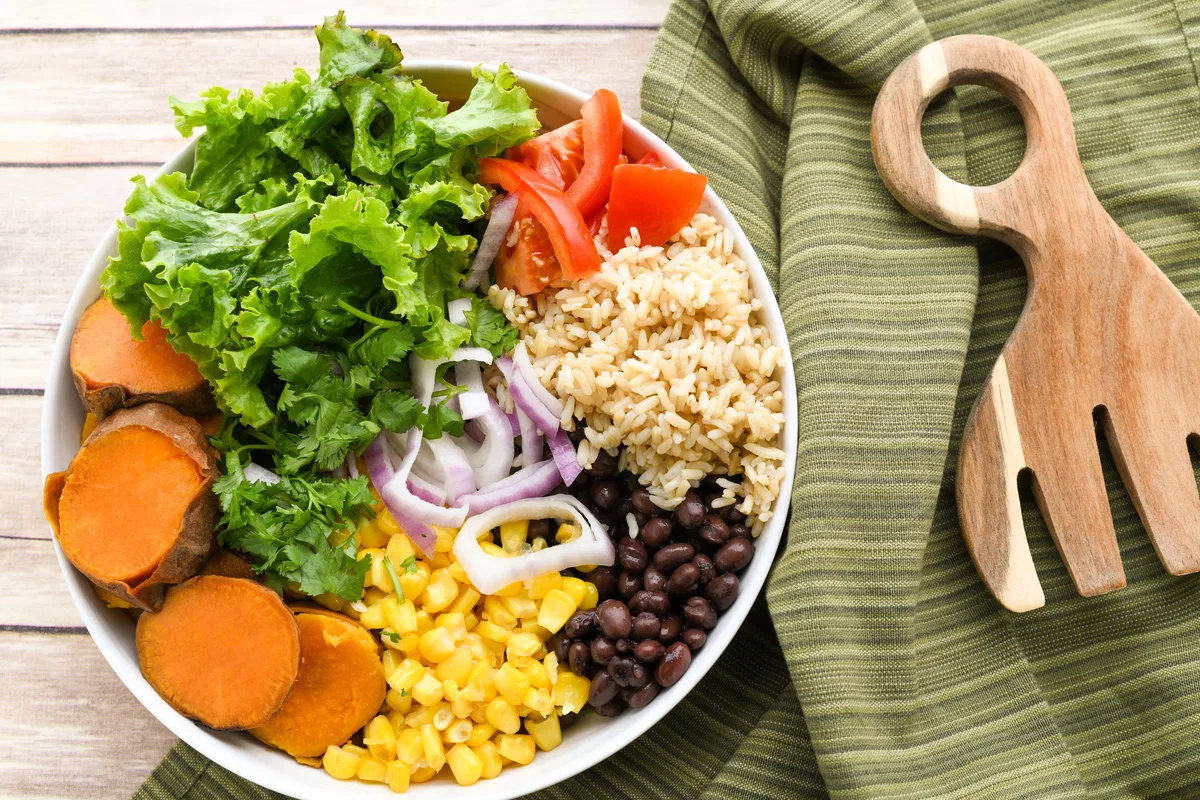
Beans, lentils and other pulses can fit very well within a MASLD eating pattern. Current NHS liver guidance includes beans and pulses among useful lower-fat protein choices, while Mayo Clinic's current MASLD diet guidance recommends legumes and beans several times a week within a Mediterranean-style pattern. The sensible message is about fibre, plant protein and replacing less helpful foods — not treating beans as a cure for fatty liver.
General information, not personalised medical advice. Kidney disease, digestive conditions, diabetes medicines, prescribed potassium restrictions, allergies and other clinical needs can change what is appropriate for you.
The quick answer
Bradford Teaching Hospitals NHS guidance for MASLD advises eating beans, pulses, fish, eggs, meat and other proteins as part of a balanced pattern. West Yorkshire Liver Care similarly recommends lower-fat protein sources such as fish, tofu and beans, while Leicester Hospitals notes that pulses such as beans, peas and lentils are low in fat and a good source of fibre.
Mayo Clinic's current MASLD diet guidance says to eat legumes and beans three or more times a week within a Mediterranean-style approach. EASL's current MASLD guideline supports improving overall diet quality, particularly Mediterranean-style eating, rather than relying on a single food or supplement.
Why they can fit
The strongest case is about the whole meal and dietary pattern — not a claim that one bean has a special liver effect.
Beans and pulses are useful sources of dietary fibre. That makes them a natural fit with guidance favouring whole plant foods and higher-fibre carbohydrate choices.
Beans, lentils and chickpeas can contribute protein without the saturated-fat profile of some processed or fatty meats.
Legumes repeatedly appear alongside vegetables, wholegrains, nuts, fish and olive oil in Mediterranean-style dietary guidance relevant to MASLD.
Replacing some processed meat or a larger portion of fatty meat with beans can improve the overall balance of a meal without requiring specialist foods.
At the supermarket
All can work. Dried beans are inexpensive and give you control over added salt, while canned beans are quick and practical. The useful comparison is the finished product, not whether it came from a tin.
Kidney beans, chickpeas or lentils?
Kidney beans, black beans, cannellini beans, chickpeas, lentils and peas all sit within the broader pulse or legume family. Their exact nutrition differs, but current MASLD guidance does not identify one type as uniquely therapeutic.
Use variety according to the meal, budget and what you tolerate well. Chickpeas work in salads and hummus, lentils suit soups and stews, and mixed beans can make chilli or traybakes more substantial.
Our bean and barley soup uses pulses in a fibre-rich lunch with vegetables and wholegrain barley.
Common questions
There is no clinically established single “best” bean for MASLD. Kidney beans, black beans, cannellini beans, chickpeas, lentils and peas can all contribute to a balanced eating pattern. Variety and the rest of the meal matter more than choosing one type.
They can be. Plain canned beans are convenient and retain useful fibre and protein. Compare salt on labels, and drain and rinse them if that suits the recipe. Beans in rich sauces need judging as a complete product.
They are not automatically off limits. They still contain beans, but the sauce can add salt and sugar. Lower-salt or lower-sugar versions may be useful for some people, and portion and meal context still matter.
Many people can include pulses regularly, but there is no universal MASLD prescription requiring daily beans. Mayo's current guidance uses three or more servings a week as part of a wider Mediterranean-style pattern. Individual energy needs and medical advice take priority.
No single food should be presented that way. MASLD management focuses on the overall dietary pattern, physical activity, weight management where appropriate and treatment of metabolic risk factors. Beans can support that pattern without being a cure.
Evidence & sources
This page prioritises current clinical and NHS dietary guidance. It keeps any claims at food-pattern level and does not turn observational associations around legumes into treatment promises.