It keeps more of the grain
Wholegrain products retain more of the grain structure than refined white flour products, which generally means more fibre and micronutrients.
Food question
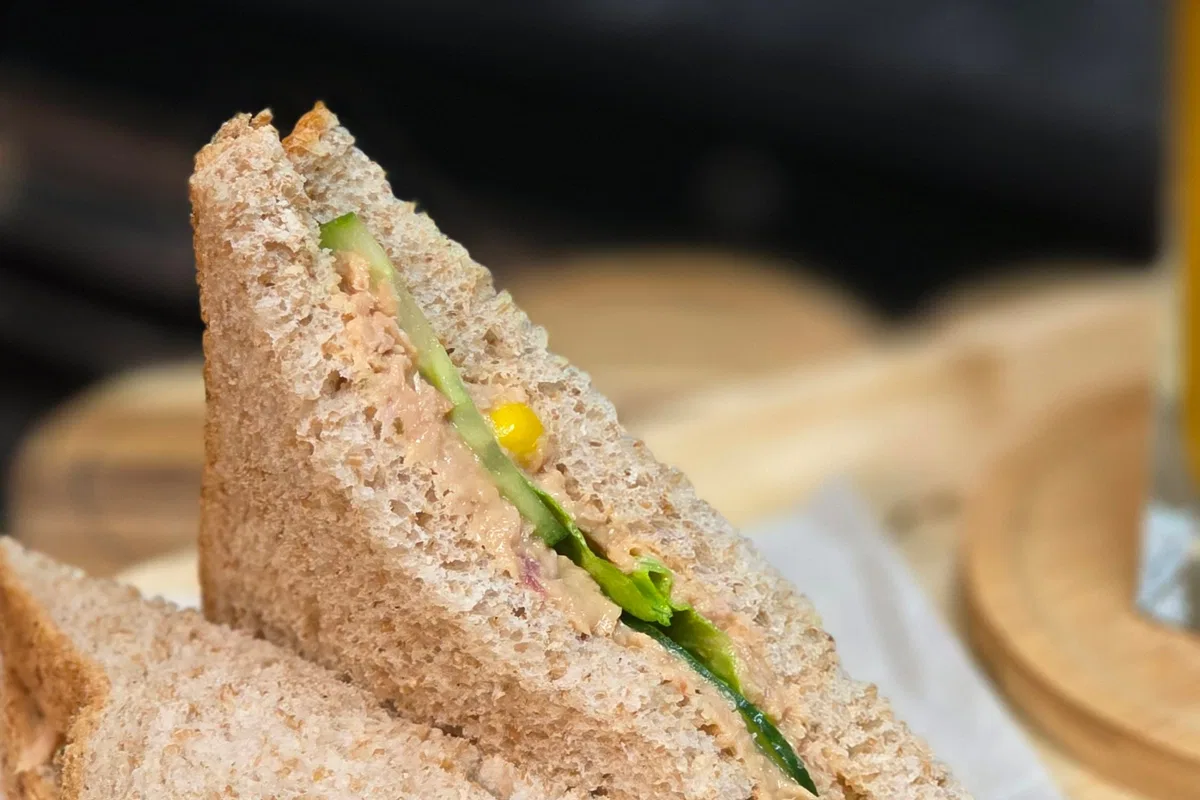
Wholegrain or wholemeal bread can fit well within a MASLD eating pattern. Current NHS MASLD guidance recommends choosing wholegrain sources of starchy carbohydrate where possible, specifically giving wholegrain or 50:50 bread in place of white bread as an example. Mayo Clinic likewise recommends 100% whole grains for breads and other grain foods. That supports a practical swap, not a claim that bread itself treats fatty liver.
General information, not personalised medical advice. Diabetes, coeliac disease, wheat allergy, kidney disease, digestive conditions and other clinical needs can change what is appropriate for you.
The quick answer
Frimley Health NHS guidance for MASLD lists bread, cereals, pasta, rice, muesli and oats as starchy carbohydrates and advises choosing wholegrain sources where possible. It specifically gives wholegrain or 50:50 bread instead of white bread as an example, noting the role of fibre.
Mayo Clinic's current MASLD diet guidance recommends choosing 100% whole grains when adding breads and other grain foods. EASL patient guidance also supports a Mediterranean-style pattern rich in fibre-containing whole grains. None of these sources describes wholegrain bread as a stand-alone treatment.
Why it can fit
The strongest case is ordinary food quality and substitution: more whole grain and fibre, and less reliance on refined carbohydrate choices.
Wholegrain products retain more of the grain structure than refined white flour products, which generally means more fibre and micronutrients.
Changing a usual white loaf to a wholemeal or genuinely wholegrain option is a simple everyday change that does not require a specialist “liver” product.
Bread can sit alongside vegetables or salad and a protein source rather than becoming the entire meal.
Toast, sandwiches and open sandwiches can all be built around wholegrain bread while keeping fillings and toppings practical.
At the supermarket
Packaging language can be confusing. A darker loaf is not automatically wholegrain, and “multigrain” can simply mean several grains are present. Check the ingredients and nutrition label rather than judging only by colour or marketing wording.
Reading the label
Compare similar loaves for fibre, salt and added sugars as well as the ingredient list. Some speciality breads are dense, sweetened or salty; others are simple wholegrain staples.
Portion size also depends on the rest of the meal. There is no universal MASLD rule requiring a particular number of slices per day.
Our wholegrain oatcakes with cottage cheese, tomato and chives show the same wholegrain-plus-protein-plus-vegetable principle in snack form.
Common questions
It is more useful to think in terms of frequency and substitution than a universal blacklist. Current MASLD guidance favours wholegrain carbohydrate sources where possible, so wholegrain bread is generally the stronger everyday choice.
No. Colour alone does not prove a loaf is wholegrain. Check the ingredient list for wholemeal flour or whole grains and compare the nutrition label.
Sourdough describes a fermentation method, not necessarily the grain quality. A wholegrain sourdough can fit well, but a refined white sourdough is still primarily a refined-grain bread. Current MASLD guidance does not identify sourdough itself as a treatment.
There is no universal MASLD slice allowance. Needs differ with body size, activity, total diet, diabetes management, weight goals and clinical advice. Use the overall meal pattern rather than a fixed online number.
No. Wholegrain bread is a food choice within a broader pattern. MASLD management focuses on overall diet quality, physical activity, weight management where appropriate and management of metabolic risk factors.
Evidence & sources
This page prioritises current clinical and NHS guidance and keeps bread-specific claims conservative.