Breakfast staples
Oats, wholemeal bread, eggs, plain yoghurt, bananas or apples. Frozen berries are useful when fresh berries would spoil before you use them.
Lower-cost planning without a bargain-bin diet
This worked week cuts waste and unnecessary variety rather than cutting out whole food groups. It leans on oats, potatoes, wholegrain staples, beans, lentils, eggs, frozen vegetables, seasonal or lower-cost fruit, plain yoghurt and a small number of flexible protein foods that can be reused across several meals.
This is general meal-planning information, not a prescribed medical diet or a promise about how much a shop should cost. Prices, availability and household needs vary. If you have diabetes, kidney disease, advanced liver disease, pregnancy, food allergies, unplanned weight loss or other clinical dietary needs, seek individual advice.
The quick answer
Yes. A balanced MASLD eating pattern does not depend on premium ingredients. Current European guidance focuses on overall diet quality in a Mediterranean-style direction, with more minimally processed plant foods and fewer sugar-sweetened drinks and ultra-processed foods rich in sugars and saturated fat. NHS guidance also supports a balanced diet based around fruit and vegetables, starchy foods with wholegrain choices where practical, and varied protein foods.
Budget planning can fit those principles well. Frozen vegetables, tinned tomatoes, beans and lentils can be economical, keep longer and reduce waste. Oats, potatoes, brown rice or wholewheat pasta can provide flexible meal bases. Eggs and pulses can stretch the protein budget, while tinned fish or a modest amount of chicken can be used across more than one meal if they fit your preferences.
Before you shop
The lowest-waste plan is usually built around ingredients that appear more than once.
Oats, wholemeal bread, eggs, plain yoghurt, bananas or apples. Frozen berries are useful when fresh berries would spoil before you use them.
Beans, lentils, chickpeas and eggs do most of the work. Add tinned fish, tofu or a modest amount of chicken if they fit your diet and budget.
Use a mix of frozen vegetables, carrots, onions, cabbage, tinned tomatoes and whichever fresh vegetables are good value locally.
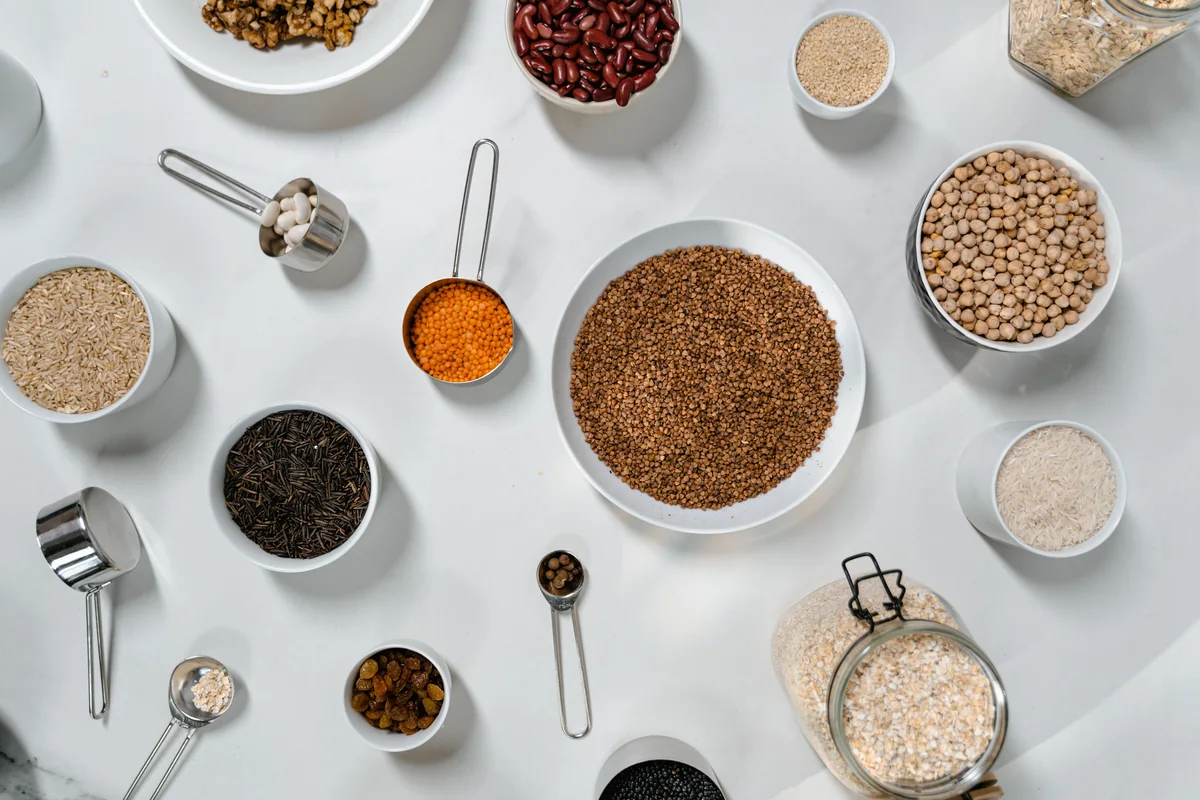
Potatoes, brown rice, wholewheat pasta and wholemeal bread are versatile. You do not need quinoa, speciality grains or costly “health foods” to build the week.
The cost-control method
Plan around oats, rice, pasta, potatoes, pulses, frozen vegetables and spices you already own before adding replacements.
Two breakfast patterns are enough for the week. This reduces half-used ingredients and unnecessary choice.
Lentil chilli and bean-and-vegetable pasta both become lunch the next day.
Beans, chickpeas and lentils are useful protein foods and can reduce reliance on more expensive meat or fish.
Extra bread, cooked portions and suitable leftovers are cheaper when eaten later than when thrown away.
The worked week
Snacks are optional. Portions should fit your needs rather than a universal calorie target.
Porridge with sliced banana and a spoonful of plain yoghurt; add cinnamon if you have it.
Egg and tomato on wholemeal toast with carrot sticks or any low-cost salad vegetables you have.
Large batch of lentil-and-bean chilli with onions, carrots, tinned tomatoes and frozen mixed vegetables, served with brown rice.
Apple, banana or plain yoghurt.
Money-saving move: cook at least one extra portion of chilli for Day 2 lunch and another for the freezer if practical.
Repeat porridge with banana, apple or defrosted frozen fruit.
Leftover lentil-and-bean chilli with rice, a baked potato or wholemeal toast depending on what needs using.
Jacket potato topped with chickpeas or baked beans in tomato sauce, plus steamed frozen vegetables or cabbage.
Carrot sticks with a small spoonful of hummus, or fruit.
Money-saving move: potatoes are flexible enough to reappear later rather than buying another side dish.
Wholemeal toast with egg and tomatoes, or porridge again if that is cheaper and easier.
Chickpea sandwich or wholemeal wrap with grated carrot, cabbage or salad and a yoghurt-mustard or hummus dressing.
Vegetable omelette or frittata using eggs, onions and frozen or leftover vegetables, served with potatoes and cabbage or salad.
Plain yoghurt with chopped apple.
Money-saving move: use whichever vegetables are already open; the meal does not need a fixed vegetable list.
Porridge with apple and cinnamon or banana.
Leftover omelette with wholemeal toast and vegetables, or a simple bean salad if no omelette remains.
Wholewheat pasta with a tomato, lentil and vegetable sauce made from tinned tomatoes, onions, carrots and frozen spinach or mixed vegetables.
Fruit or a small handful of unsalted peanuts or seeds if they fit the budget.
Money-saving move: make enough pasta sauce for Day 5 lunch. Lentils stretch the sauce without needing mince.
Wholemeal toast with peanut butter or egg, plus fruit.
Leftover wholewheat pasta with tomato-lentil sauce and any spare vegetables.
Fish cakes made with tinned salmon, sardines or tuna and mashed potato, served with frozen peas and carrots or cabbage.
Plain yoghurt or fruit.
Money-saving move: choose whichever suitable tinned fish offers the best value locally; you do not need fresh salmon for a Mediterranean-style pattern.
Porridge with banana or defrosted frozen berries.
Bean or chickpea baked potato with leftover cabbage, salad or frozen vegetables.
Chickpea and vegetable curry using tinned tomatoes, onions, frozen vegetables and curry spices, served with brown rice.
Apple or carrot sticks.
Money-saving move: make extra curry for Day 7 lunch. Dried chickpeas can be cheaper if you already use them confidently, but tinned versions save time and fuel.
Egg on wholemeal toast with tomatoes, or finish the oats and fruit.
Leftover chickpea curry with rice or potato.
End-of-week vegetable and bean soup with wholemeal bread, using remaining carrots, onions, cabbage, frozen vegetables, beans and tinned tomatoes.
Finish remaining fruit or yoghurt rather than opening something new.
Money-saving move: freeze extra soup or curry rather than forcing yourself to eat it immediately or wasting it.
A compact shopping backbone
Oats, wholemeal bread, brown rice, wholewheat pasta and potatoes. Use what you already have rather than buying every option.
Eggs, lentils, beans, chickpeas, plain yoghurt and one suitable tinned-fish option if wanted. Tofu can replace eggs/fish where preferred.
Frozen mixed vegetables, onions, carrots, cabbage, tinned tomatoes, bananas and apples, plus whichever seasonal or reduced-waste choices make sense locally.
Herbs, curry powder or spices, mustard, lemon or vinegar, and a small amount of olive or rapeseed oil if already used at home.
Cheap swaps that keep the pattern intact
The cheapest choice varies by shop and week, so use these as interchangeable roles rather than fixed branded products.
Frozen fruit can reduce spoilage and still contributes fruit to the overall diet.
Use an appropriate tinned fish when affordable, or build more meals around beans and lentils.
Longer-lasting vegetables can be shredded for wraps, bowls and sides and may reduce waste.
Brown rice, wholewheat pasta, oats and wholemeal bread can cover most of the same practical roles.
Next step
This page owns budget weekly planning. These live tools handle shopping and meal customisation.
Start from a basket, delete what you already have and add quantities that fit your household.
Generate a different seven-day structure when these meals do not suit you.
Use the low-prep version if time rather than cost is the main problem.
Return to the evidence-led food pattern behind all of the example plans.
Evidence checked 18 August 2026
See our editorial policy, evidence policy and medical disclaimer.