Cook one grain
Prepare brown rice, quinoa or another wholegrain you like, or keep microwave wholegrain pouches for the busiest days.
Low-friction planning for crowded days
This seven-day example is built for weeks when time and energy are limited. It keeps breakfasts repetitive, uses tinned and frozen foods sensibly, turns dinner into tomorrow's lunch and relies on a short list of flexible ingredients rather than seven nights of elaborate cooking.
This is general meal-planning information, not a personalised treatment plan. If you have diabetes, kidney disease, advanced liver disease, pregnancy, food allergies, unplanned weight loss or other clinical dietary needs, get individual advice rather than relying on a generic online menu.
The quick answer
Yes. Current MASLD guidance focuses on the overall quality of the eating pattern rather than requiring complicated recipes. European guidance supports a Mediterranean-style direction, with more minimally processed plant foods and less ultra-processed food, saturated fat and sugar-sweetened drinks. NHS guidance similarly emphasises regular balanced meals built around vegetables or salad, suitable starchy foods, protein foods and mostly unsaturated fats.
For a busy week, the practical challenge is not finding a different “healthy recipe” for every meal. It is reducing the number of decisions and cooking jobs. This plan therefore repeats useful breakfasts, uses planned leftovers, leans on frozen and tinned ingredients, and keeps several lunches to assembly rather than cooking.
One short setup block
You can skip this prep and cook as you go, but 20–30 minutes of simple setup can remove several weekday jobs.
Prepare brown rice, quinoa or another wholegrain you like, or keep microwave wholegrain pouches for the busiest days.
Wash salad vegetables, or simply rely on frozen mixed vegetables, frozen spinach and pre-washed salad if that is what makes the week realistic.
A pan of lentil-and-tomato sauce can become pasta, a grain bowl or a jacket-potato topping later in the week.
Tinned beans, chickpeas, tuna or salmon, eggs, plain yoghurt, hummus and cooked leftovers all reduce the need to start from scratch.
The worked week
Optional snacks are included only as ideas. Portions should fit your own needs rather than a universal calorie target.
Overnight oats or porridge with berries, plain yoghurt and a spoonful of nuts or seeds.
Wholemeal pitta or wrap with hummus, pre-washed salad, tomato and cucumber; fruit alongside.
Simple chicken-and-vegetable traybake with peppers, onions, frozen or fresh broccoli and small potatoes, using a little olive or rapeseed oil and herbs.
Fruit, plain yoghurt or a small handful of unsalted nuts.
Shortcut: line the tray for easier washing up and cook an extra portion for Day 2 lunch. Vegetarian swap: use chickpeas or tofu.
Repeat oats, or have wholegrain toast with egg and tomatoes if you want a change.
Leftover chicken or chickpeas and roasted vegetables over salad, with leftover potatoes or a wholemeal wrap.
Wholewheat pasta with the prepared lentil-and-tomato sauce; stir in frozen spinach and serve with a bagged or simple side salad.
Carrot sticks with hummus, or fruit.
Shortcut: cook extra pasta sauce for Day 3 lunch. Tinned lentils can reduce preparation time further.
Plain yoghurt with oats, fruit and chopped nuts or seeds.
Leftover lentil-and-tomato sauce with wholewheat pasta, a baked potato or a microwave wholegrain pouch.
Quick grain bowl: wholegrain base, tinned chickpeas, frozen mixed vegetables, salad leaves and a lemon-hummus or plain-yoghurt dressing.
Apple or pear with a small handful of nuts.
Shortcut: frozen vegetables can go straight from freezer to microwave or pan. No separate side dish is required.
Wholegrain toast with peanut butter or egg, plus fruit.
Wholemeal wrap with hummus, chickpeas, pre-washed salad and grated carrot, or use leftover grain-bowl ingredients in a lidded container.
Salmon or another fish with frozen green vegetables and a microwave wholegrain pouch or small potatoes. Add lemon, pepper and herbs for flavour.
Plain yoghurt with berries or another fruit.
Shortcut: choose frozen fish portions if they suit your budget and routine. Vegetarian swap: tofu, beans or a simple egg-and-vegetable meal.
Repeat overnight oats or yoghurt, fruit and oats — whichever breakfast has been easiest this week.
Tinned tuna or chickpea wholemeal sandwich with salad and fruit, using plain yoghurt, lemon or a small amount of mayonnaise if wanted.
Egg-and-vegetable frittata or omelette using frozen spinach, peppers or leftover vegetables, served with wholegrain toast and salad.
Fruit, vegetable sticks with hummus or a small handful of unsalted nuts.
Shortcut: eggs make a useful fast dinner when there is no cooked protein waiting in the fridge.
Porridge with banana and cinnamon, or wholegrain toast with egg if you prefer savoury food.
Soup with wholemeal bread plus a protein side such as hummus, beans, yoghurt or egg; choose a lower-salt soup when practical.
Bean and vegetable chilli using tinned beans, tinned tomatoes and frozen or fresh vegetables, served with brown rice or a microwave wholegrain pouch.
Plain yoghurt and fruit.
Prep forward: make enough chilli for Day 7 lunch and freeze another portion if useful.
Yoghurt, oats and remaining fruit, or vegetable omelette with wholegrain toast.
Leftover bean chilli with salad, brown rice or a baked potato depending on what you already have.
Use-it-up bowl with remaining vegetables, chickpeas or beans and a wholegrain base, finished with hummus, plain yoghurt or a measured drizzle of olive or rapeseed oil.
Use remaining fruit, raw vegetables or unsalted nuts rather than buying something special for the final day.
Use-it-up note: Sunday is deliberately flexible. The aim is to clear useful ingredients and make next week's shop smaller.
Time-saving food shop
Convenience is not the same as poor diet quality. These options can save meaningful time while still fitting the overall pattern.
Mixed vegetables, spinach, berries and plain frozen fish portions can reduce chopping and food waste.
Beans, chickpeas, lentils, tomatoes and fish are useful fast proteins and meal bases. Compare labels where practical, especially for salt or added sugar.
Microwave wholegrain pouches, pre-washed salad, wholemeal wraps and plain yoghurt can turn a ten-minute assembly job into a complete meal.
Keep one meal that requires almost no thought: frozen vegetables + fish or beans + a wholegrain or potato is enough to rescue a difficult evening.
Keep the week flexible
A plan should absorb disruption rather than collapse because Tuesday did not go as expected.
Move it to another day rather than trying to “catch up”. Use the backup meal or a simple balanced supermarket option and carry on.
Choose a meal you enjoy, add vegetables or salad where practical, and return to the normal pattern at the next meal. One meal does not define the week.
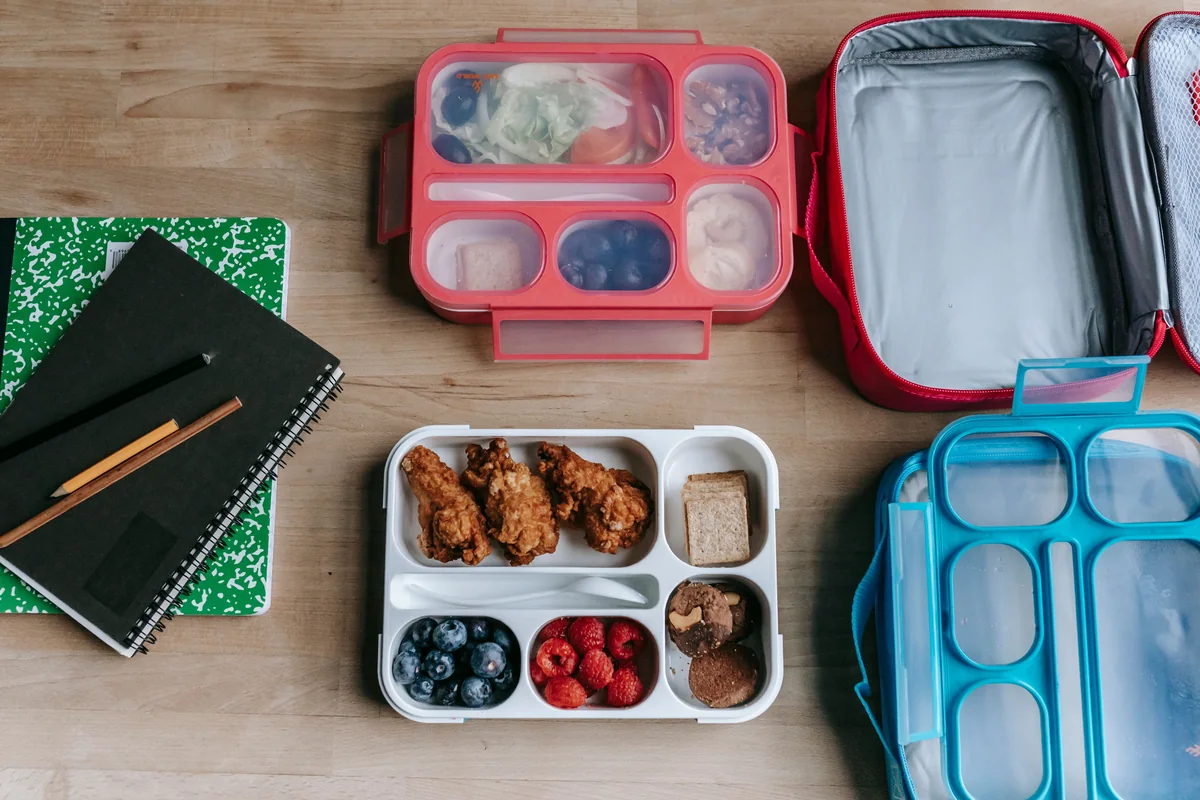
Wholemeal wraps, grain bowls, yoghurt, fruit, nuts and hummus-based lunches are easy to pack. Follow normal food-safety guidance for chilled foods.
The Recipe Finder can filter by cooking time, and the Meal Planner has quick-meal settings for a different week.
About portions
Busy-week meal plans online often combine convenience with a fixed calorie number. This page does not. Appropriate energy intake depends on factors such as body size, age, activity, health conditions, medications and whether weight loss is clinically appropriate for you.
Use these meals as combinations. The plate method is one simple visual prompt, but actual portions should fit your needs, hunger and any advice from your healthcare team.
Next step
This page owns the easy busy-week meal-plan intent. These live tools help when your preferences or available time differ.
Generate a flexible week using 15-minute or 30-minute meal settings.
Filter replacement meal ideas by time, meal type and eating pattern.
Use the broader worked week if speed is not your main planning problem.
Read the evidence-led eating principles behind all of the plans.
Evidence checked 18 August 2026
See our editorial policy, evidence policy and medical disclaimer.