Vegetables
Roast peppers, onions, courgettes, aubergine, carrots or broccoli; wash salad leaves; or keep frozen vegetables ready for quick cooking.
Prepare the useful parts, not a perfect week
Meal prep does not treat fatty liver, and it does not need to mean seven identical boxes. Its value is practical: doing some washing, chopping, cooking or portioning ahead can make a Mediterranean-style eating pattern easier to follow when time and energy are limited.
General information only. If you have diabetes treated with medication, kidney disease, advanced liver disease, pregnancy, allergies, swallowing problems, unplanned weight loss or another condition affecting diet, follow individual clinical advice.
The quick answer
Current MASLD guidance focuses on the overall dietary pattern rather than a special meal-prep method. The practical goal is to make vegetables, fruit, wholegrains, pulses, fish or other suitable protein foods and mostly unsaturated fats easier to assemble into ordinary meals.
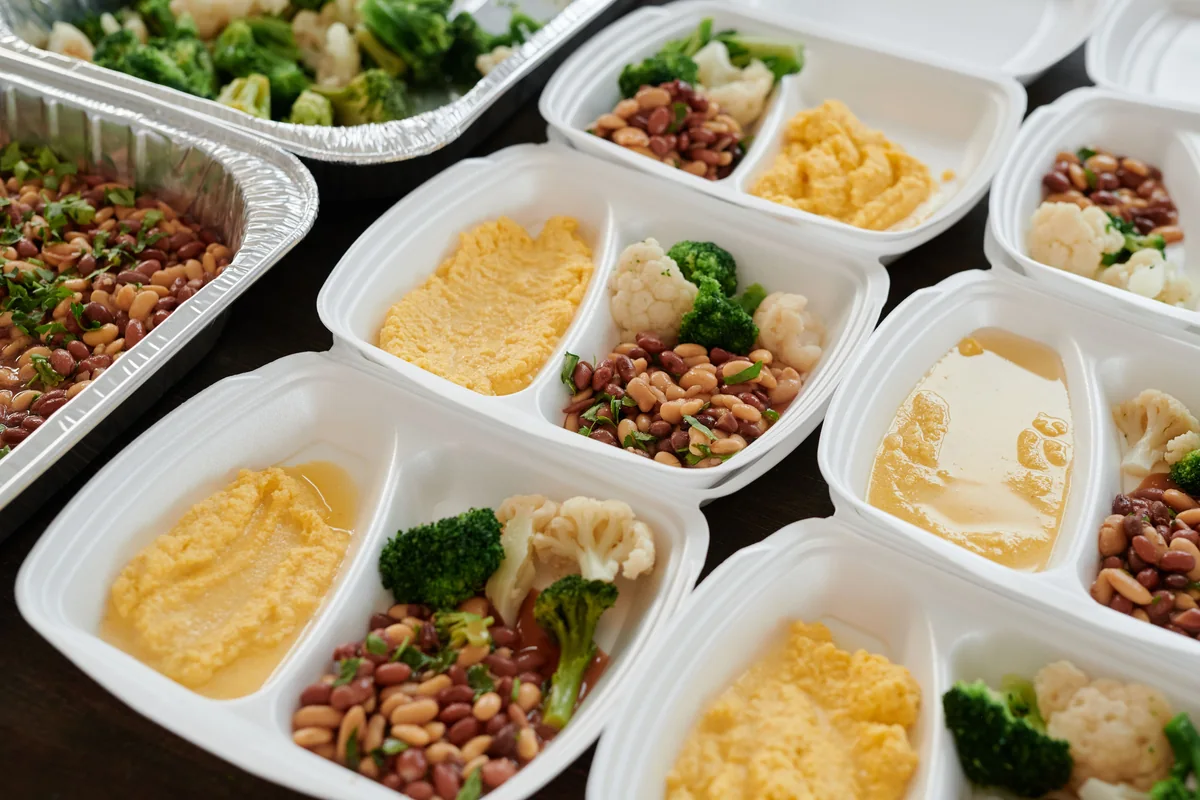
That can be as simple as cooking a pot of brown or mixed rice, roasting two trays of vegetables, preparing a bean-based dish and making overnight oats. You can then combine those components with quick foods such as eggs, yoghurt, tinned fish, tofu, chicken, fruit or salad across several meals.
A flexible system
Prepare components that can move between meals instead of locking the whole week into one recipe.
Roast peppers, onions, courgettes, aubergine, carrots or broccoli; wash salad leaves; or keep frozen vegetables ready for quick cooking.
Cook oats, brown or mixed rice, wholewheat pasta, barley or another higher-fibre staple in an amount that matches your actual plans and safe storage space.
Prepare beans, lentils, tofu, eggs, fish or lean poultry according to the meals you intend to make. Not every protein needs batch cooking.
A tomato sauce, lemon-herb dressing, yoghurt sauce, spice mix or chopped herbs can stop the same ingredients tasting repetitive.
Keep fruit, plain yoghurt, wholegrain bread, unsalted nuts, tinned beans or other quick staples available for days when the plan changes.
Freshly cooked fish, omelettes, salads or quick stir-fries may be better made on the day. Meal prep should reduce friction, not create unnecessary work.
One useful prep session
Put a grain, lentil dish or traybake on first so it cooks while you do the rest.
Wash, chop and roast or store them according to when they will be used.
A bean dish, lentil base, tofu tray or cooked chicken can cover several different meals without dictating the whole week.
Overnight oats, boiled eggs, a soup or a bean salad may be enough to remove the busiest decisions.
Use suitable containers, refrigerate or freeze promptly according to current food-safety advice, and make the earliest-use foods easy to see.
Food safety matters
Meal-prep advice should never encourage unsafe storage just to make a weekly plan look tidy.
Follow Food Standards Agency advice for cooling and refrigerating cooked food. Dividing food into smaller portions or shallow containers can help it cool more quickly.
The FSA’s current consumer guidance says refrigerated leftovers should generally be eaten within 48 hours. If you will not use them in that time, freezing suitable portions can be a safer planning choice.
When reheating leftovers, make sure they are steaming hot throughout and follow FSA advice to reheat only once.
Rice needs particular attention because spores can survive cooking. Follow current NHS/FSA storage and reheating guidance rather than treating cooked rice like an indefinite fridge staple.
Avoid meal-prep boredom
Batch cooking is more sustainable when ingredients change role. For example, roasted vegetables might go into a grain bowl on Monday, beside salmon on Tuesday and into an omelette on Wednesday.
Roasted peppers, onions and courgettes.
Serve with brown rice, chickpeas and a lemon-herb dressing.
Add beside salmon or chicken with potatoes and greens.
Fold a smaller amount into eggs or tofu for a quick breakfast or lunch.
What not to do
The best system is one you can repeat safely without turning food into a second job.
They can work for some people, but they are not required for MASLD and may make the plan harder to sustain if you dislike repetition.
Cooking random “healthy” foods can still lead to waste. Decide roughly how the components will be used before buying and cooking them.
Juice cleanses, detox teas and special liver-prep routines are not the goal. Ordinary balanced meals are enough for the planning framework.
Do not stretch leftovers beyond current food-safety advice just because they were prepared on Sunday. Freeze suitable foods or do a smaller midweek top-up.
Worked example
A simple prep session might produce a pot of lentil-tomato base, roasted vegetables, two portions of mixed rice and overnight oats. Fresh fruit, plain yoghurt, eggs, wholegrain bread and a protein such as salmon, tofu or chicken stay ready for quick assembly.
From that base you could make a lentil-and-rice bowl, a vegetable omelette with toast, a traybake dinner and a leftover lentil lunch. The foods are examples, not a prescribed MASLD menu or a guaranteed way to change liver fat.
Common questions
No. Meal prep is an organisation tool, not a treatment. Preparing only breakfasts, lunches or a few flexible components may be enough if that reduces last-minute decisions.
Follow current Food Standards Agency guidance for the specific food. The FSA’s current general advice says refrigerated leftovers should usually be eaten within 48 hours; freeze suitable food sooner if you will not use it in that window.
Not automatically. Batch cooking can save time and reduce decision-making, while fresh cooking may suit other households better. The useful method is the one that helps you maintain a balanced pattern safely and consistently.
Yes, but cooked rice needs careful cooling and storage. Follow current NHS/FSA guidance, cool it quickly, refrigerate it promptly, keep it only for the recommended period and reheat it thoroughly.
Next steps
This guide owns the meal-prep method. These pages handle the neighbouring jobs.
See the method turned into a complete worked week with a prep session and midweek top-up.
Build the grocery categories before you start chopping and cooking.
Create an editable list with your own quantities and household items.
Choose the week interactively before deciding what to prep.
Evidence checked 18 August 2026
See our editorial policy, evidence policy and medical disclaimer.