Cook components once, reuse them safely

Fatty liver meal-prep plan for a practical week

Meal prep can make balanced eating easier, but a useful plan is not seven days of food left sitting in the fridge. This worked week uses a short prep session, a small midweek top-up, planned leftovers and freezer portions so the meals stay practical and food-safety guidance is respected.

New to batch cooking? Start with the Meal Prep Guide for the preparation method, storage principles and food-safety workflow; this page owns the worked seven-day plan.

This is a general worked example, not personalised medical nutrition therapy. Portions should fit your own needs. If you have diabetes, kidney disease, advanced liver disease, pregnancy, food allergies, unplanned weight loss or other clinical dietary needs, seek individual advice.

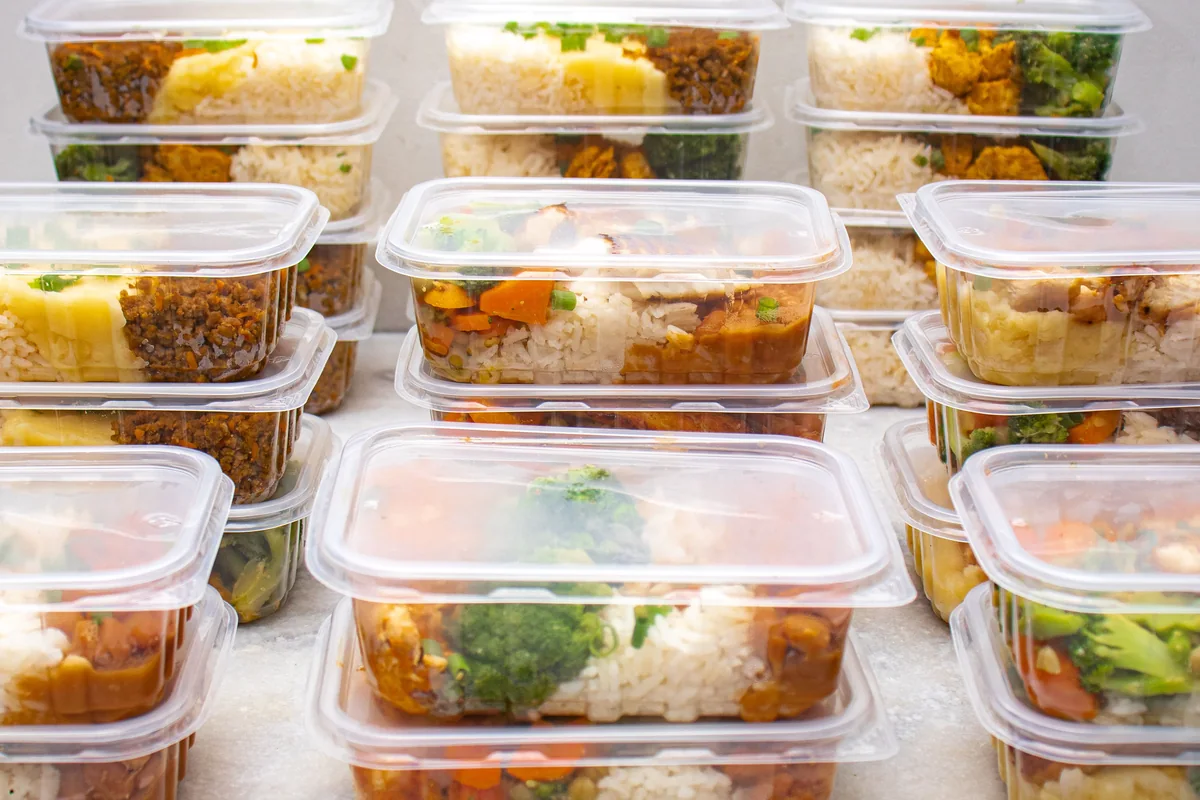
Multiple meal-prep containers filled with rice, vegetables and mixed meal components.
Batch components can make several meals easier without storing a full week of cooked food in the fridge.

The quick answer

What does meal prep look like for fatty liver or MASLD?

Current European MASLD guidance recommends improving overall diet quality in a direction similar to a Mediterranean dietary pattern, limiting ultra-processed foods rich in sugars and saturated fat, and avoiding sugar-sweetened drinks. NHS guidance likewise emphasises a healthy balanced diet rather than a special detox menu. Meal prep is simply a way to make those ordinary choices easier to repeat when time is short.

The safest practical approach is to prep a few components rather than cook seven complete days in advance. The Food Standards Agency advises cooling cooked leftovers and putting them in the fridge within two hours, eating refrigerated leftovers within 48 hours or freezing them, and reheating leftovers only once until steaming hot throughout.

Meal prep is an organisation strategy, not a treatment. It can reduce last-minute decisions and food waste, but it does not diagnose MASLD, prescribe the right energy intake for you or guarantee a particular liver outcome.

Prep session 1

Prepare four flexible building blocks

  1. 1
    Cook a lentil-and-tomato base.

    Make a pot with lentils, chopped tomatoes, onion, carrots, peppers and herbs or spices. Keep the portions you will use within 48 hours chilled promptly; freeze later-week portions once cooled.

  2. 2
    Roast a tray of mixed vegetables.

    Use vegetables you actually enjoy, such as peppers, courgettes, carrots, onions, broccoli or cauliflower. Use early-week portions first and freeze anything intended much later rather than keeping it all week.

  3. 3
    Prepare dry breakfast and snack components.

    Portion oats, unsalted nuts or seeds and shelf-stable wholegrain staples. Add fresh fruit, yoghurt or milk alternatives on the day rather than assembling every breakfast a week ahead.

  4. 4
    Make the easy options visible.

    Keep tinned beans, hummus, eggs, frozen fish or vegetables, tofu, plain yoghurt and wholemeal wraps or bread available so a balanced meal does not depend on another long cooking session.

The worked week

Seven days built from prepared components

Snacks are optional. Later-week cooked components are frozen rather than kept chilled all week.

Day 1

Use the first fresh portions

Breakfast

Porridge with berries, plain yoghurt or fortified soya yoghurt, plus a small spoonful of nuts or seeds.

Lunch

Chickpea, roasted-vegetable and wholegrain couscous bowl with lemon and a little olive oil.

Dinner

Sheet-pan chicken or tofu with roasted vegetables and baby potatoes.

Optional snack

Apple or pear with a small handful of unsalted nuts.

Prep move: cook an extra chicken/tofu portion for tomorrow's lunch and refrigerate promptly.

Day 2

Turn yesterday's dinner into lunch

Breakfast

Wholemeal toast with egg, tomato and spinach. Vegetarian alternative is already built in; vegan swap: scrambled tofu.

Lunch

Wholemeal wrap with yesterday's chicken or tofu, roasted vegetables and hummus, plus salad leaves.

Dinner

Lentil-and-tomato base over a baked potato with broccoli or another green vegetable.

Optional snack

Plain yoghurt or fortified soya yoghurt with fruit.

Prep move: use a second lentil-base portion tomorrow; freeze any portions intended for later in the week.

Day 3

Finish the early-week refrigerated batch

Breakfast

Overnight oats made the night before with oats, milk or fortified alternative, berries and chia or ground seeds.

Lunch

Lentil-and-tomato bowl with wholegrain couscous and a side of vegetables or salad.

Dinner

Salmon, white fish or tofu cooked fresh with frozen green vegetables and sweet potato.

Optional snack

Carrot or pepper sticks with hummus.

Midweek top-up: prepare a fresh bean salad base and move one frozen lentil portion to the fridge to defrost safely for tomorrow, following product/storage instructions.

Day 4

Use the freezer to reset the week

Breakfast

Plain yoghurt or fortified soya yoghurt with oats, sliced fruit and walnuts.

Lunch

Fresh bean salad with cucumber, tomato, peppers, leafy greens and a wholemeal pitta.

Dinner

Thawed lentil-and-tomato base with wholewheat pasta and a fresh or frozen green vegetable.

Optional snack

Piece of fruit with a small portion of nuts or seeds.

Prep move: cook only what you need for tonight; do not keep reheating the same leftovers repeatedly.

Day 5

Keep Friday nearly assembly-only

Breakfast

Porridge with banana, cinnamon and pumpkin seeds.

Lunch

Wholemeal pitta with hummus, bean salad and crunchy vegetables.

Dinner

Frozen fish fillet or tofu cooked fresh with peas, green beans and wholegrain couscous or potatoes.

Optional snack

Plain yoghurt, fruit or vegetable sticks depending on appetite.

Prep move: portion tomorrow's dry oats and check what fresh produce needs using before the weekend.

Day 6

Use a frozen batch portion, not a six-day-old fridge box

Breakfast

Oats with chopped apple or pear, plain yoghurt or fortified alternative and seeds.

Lunch

Jacket potato topped with beans, chopped tomato and a spoonful of plain yoghurt or unsweetened alternative, plus salad.

Dinner

A frozen lentil-and-vegetable portion reheated once until steaming hot, served with vegetables and a wholegrain staple.

Optional snack

Fruit and a small handful of unsalted nuts.

Prep move: take stock before shopping again. Freeze suitable unused ingredients rather than planning meals just to avoid waste.

Day 7

Finish with a fresh, low-effort meal

Breakfast

Eggs with wholemeal toast, mushrooms and tomato. Vegan swap: tofu scramble.

Lunch

Quick chickpea and salad bowl with wholegrain bread or pitta, using remaining fresh vegetables.

Dinner

Fresh vegetable-and-chickpea traybake with potatoes, herbs and a little olive oil, plus plain yoghurt or tahini-style dressing if wanted.

Optional snack

Fruit, yoghurt or a small handful of nuts according to appetite.

Reset move: note which prepared components actually saved time. Build next week's prep list around those rather than automatically making everything again.

Shopping backbone

Buy ingredients that can do more than one job

Vegetables & fruit

Onions, carrots, peppers, courgettes, broccoli or frozen greens, tomatoes, salad leaves, berries, apples, pears and bananas.

Protein foods

Lentils, chickpeas, beans, eggs, tofu, plain yoghurt or fortified alternatives, plus fish or chicken if included in your eating pattern.

Higher-fibre staples

Oats, wholemeal bread or wraps, wholewheat pasta, potatoes, sweet potatoes and wholegrain couscous or another wholegrain you use regularly.

Flavour & useful fats

Olive oil, unsalted nuts or seeds, hummus, herbs, spices, lemon, garlic and lower-salt flavourings that make repeated components taste different.

Meal-prep safety

Four rules worth keeping visible

Batch cooking only saves time if the food is stored and reheated safely.

Cool and chill promptly

FSA guidance says cooked leftovers should be cooled and placed in the fridge within two hours.

Use within 48 hours

Eat refrigerated leftovers within 48 hours or freeze them if that will not be possible.

Reheat once

When reheating leftovers, reheat only once and make sure the food is steaming hot throughout.

Separate raw foods

Keep raw meat or poultry covered and separate from ready-to-eat foods, following FSA storage and cross-contamination guidance.

Make it fit your week

Useful swaps without rebuilding the whole plan

The goal is a repeatable system, not perfect compliance with one menu.

Vegetarian

Replace chicken or fish with tofu, tempeh, eggs, beans or lentils. See the vegetarian meal plan for a fully meat-free week.

Need faster cooking?

Use frozen vegetables, tinned pulses, pre-cooked wholegrain pouches where suitable and simple assembly meals. See the busy-week plan.

Need lower cost?

Make pulses, eggs, oats, potatoes and frozen vegetables do more of the work. See the budget meal plan.

Want a different pattern?

Use the Meal Planner to generate another seven-day starting point based on eating pattern and cooking time.