Wholegrain versus white
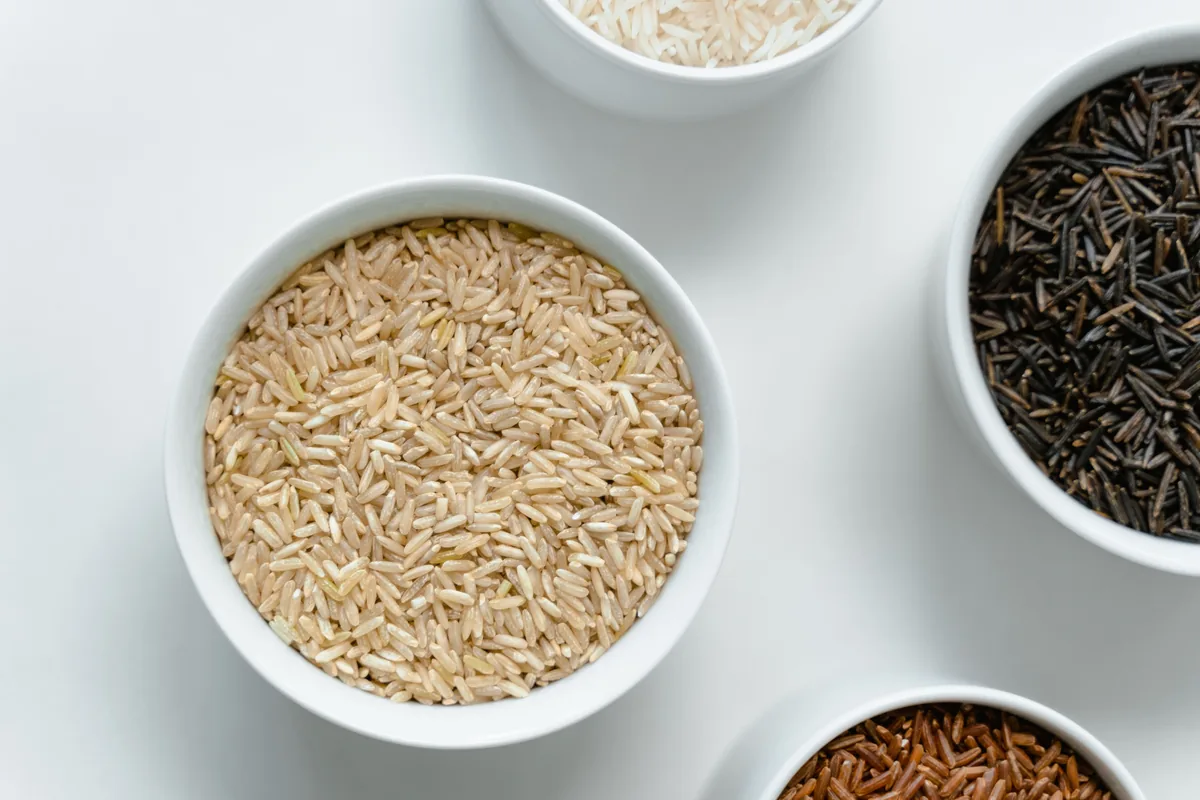
Brown and wholegrain rice retain more of the grain and usually provide more fibre. That makes them a useful default where you enjoy them and tolerate them well.
Food question
Rice can fit a MASLD eating pattern; wholegrain choices such as brown rice are generally the stronger everyday option. Current NHS and Mayo Clinic guidance recommends wholegrain or higher-fibre grain foods, including rice. White rice is not a forbidden food, but fibre, portion size and what you eat with it change the overall meal.
General information, not personalised medical advice. Your needs may differ if you have diabetes treatment, kidney disease, digestive conditions or a prescribed diet.
The quick answer
Mayo Clinic's current MASLD diet guidance recommends 100% whole grains when choosing grain foods such as rice. York and Scarborough Teaching Hospitals' MASLD guidance similarly advises choosing wholegrain versions of rice, pasta and bread because they contain more fibre than white versions. Bradford Teaching Hospitals includes rice among normal starchy foods and notes that wholegrain varieties are generally higher in fibre.
That supports a preference for brown or wholegrain rice when practical. It does not support calling white rice toxic, or claiming that switching rice type alone treats MASLD.
Brown, white and everything around them
Rice is a staple food for many cuisines. The goal is to improve the overall meal without turning a familiar carbohydrate into a fear food.
Brown and wholegrain rice retain more of the grain and usually provide more fibre. That makes them a useful default where you enjoy them and tolerate them well.
A very large mound of rice can dominate the plate. A more balanced approach is to leave plenty of room for vegetables and a protein source.
Rice eaten with beans, lentils, vegetables, fish or chicken creates a different nutritional pattern from rice paired mainly with fried foods or sugary drinks.
Plain boiled or steamed rice is different from recipes loaded with butter, coconut cream, large amounts of oil or salty sauces. Judge the whole dish, not only the grain.
Practical swaps
Common confusion
No. Current MASLD guidance favours wholegrain choices, but it does not require everyone to eliminate white rice. Culture, budget, availability, digestion and personal preference all matter.
A useful middle ground is to keep the portion sensible, add vegetables and protein, or gradually mix white and brown rice if that makes the change easier to sustain.
Common questions
Current guidance generally favours wholegrain rice because it is higher in fibre than white rice. “Better” means a useful everyday swap, not a treatment.
Yes. You do not need a universal ban. Consider portion size and pair it with vegetables, beans, fish, chicken or another protein rather than making the meal mostly refined carbohydrate.
There is no useful blanket ranking. Across rice, bread and pasta, guidance generally favours wholegrain versions and balanced portions.
No. No single grain reverses MASLD. Management focuses on the overall dietary pattern, physical activity, cardiometabolic risk factors and weight change where clinically appropriate.
Evidence & sources