Make plants the foundation
Use vegetables, salad and whole fruit regularly. Frozen and tinned options can make this much easier without changing the basic principle.
Evidence-led eating pattern
You do not need to cook Mediterranean recipes every day. For MASLD/NAFLD, the useful part is the overall pattern: more vegetables, fruit, pulses, wholegrains, nuts, seeds, fish and unsaturated fats; fewer sugary drinks, ultra-processed foods, refined carbohydrates and red or processed meat.
General information, not a personalised diet prescription. If you have cirrhosis, diabetes that needs medication adjustment, kidney disease, pregnancy, significant unplanned weight loss, an eating disorder or another condition affecting nutrition, ask your healthcare team for individual advice.
The quick answer
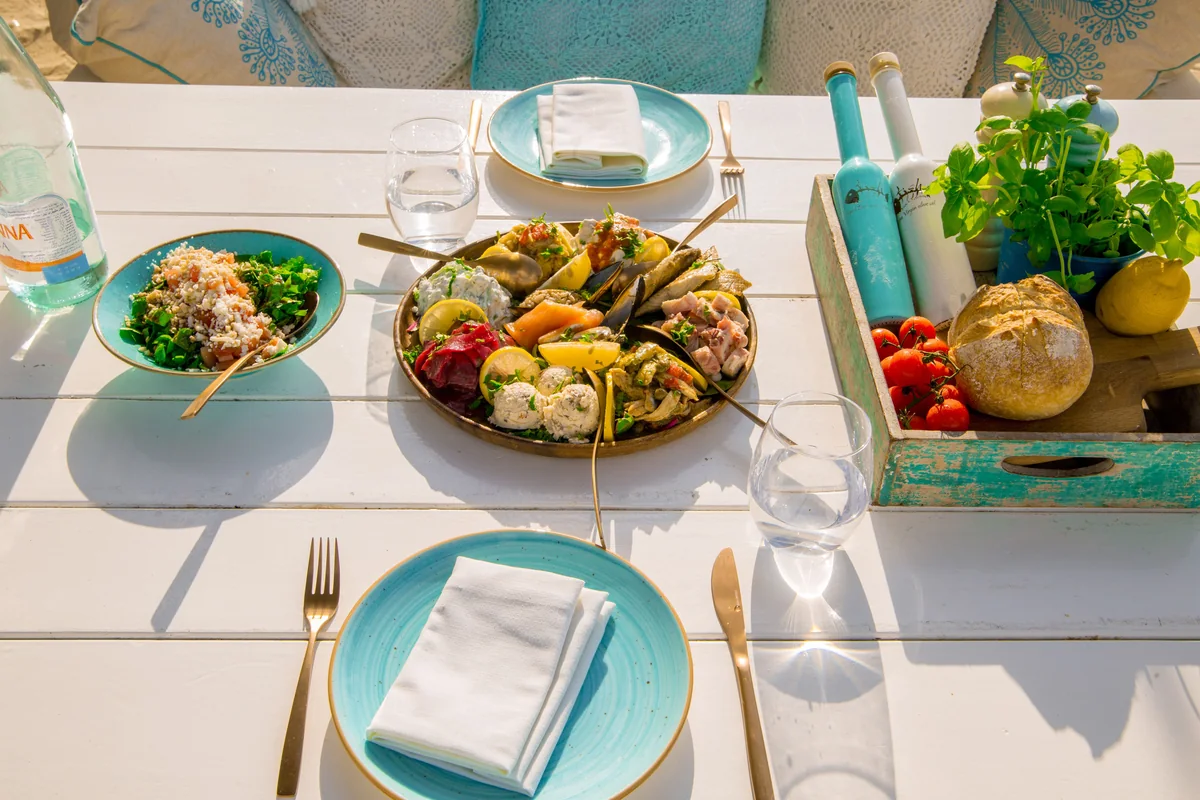
Current European MASLD guidance recommends improving overall diet quality in a direction similar to the Mediterranean dietary pattern, while limiting ultra-processed foods rich in sugar and saturated fat and avoiding sugar-sweetened drinks. NHS liver services also use Mediterranean-style principles as a practical way to put healthy-eating advice into meals.
That is not the same as saying there is one compulsory “fatty liver diet”. NHS Highland guidance notes that no single diet has proved superior for resolving MASLD, while the Mediterranean pattern is still a sensible option because of its wider cardiovascular benefits and evidence around liver fat and cardiometabolic health.
The pattern
You can apply these principles to familiar British meals or almost any cultural food tradition. Mediterranean-style describes the balance of foods, not a requirement to eat pasta, olives and Greek salad.
Use vegetables, salad and whole fruit regularly. Frozen and tinned options can make this much easier without changing the basic principle.
Beans, chickpeas and lentils add fibre and protein and can replace part or all of the meat in chilli, curry, soups, stews and pasta sauces.
Wholegrain bread, oats, brown or mixed-grain rice, wholewheat pasta and other higher-fibre staples can be useful everyday choices.
Olive and rapeseed oils, nuts and seeds fit the pattern better than making butter, lard, ghee or foods high in saturated fat routine choices.
Fish and seafood are prominent in the traditional pattern, but beans, lentils, eggs, tofu, poultry and suitable dairy foods can all help build practical meals.
Make sugary drinks, sweets, processed meat, refined snack foods and heavily processed convenience foods less routine rather than looking for a single food to ban.
Ordinary meals
The easiest approach is often to change the balance of a meal you already eat instead of replacing your whole cuisine.
Swap a sugary cereal for porridge with berries, plain yoghurt and a few nuts or seeds.
Use wholemeal bread, add plenty of salad, and rotate fillings such as tuna, chicken, egg, hummus or beans rather than processed meat every day.
Add beans or lentils, increase the vegetables and serve with a sensible portion of brown or mixed-grain rice.
Keep the roast vegetables generous, choose leaner protein, use less saturated fat in cooking and let potatoes or wholegrains take a supporting role rather than the whole plate.
Use a tomato-and-vegetable sauce, add beans, lentils, fish or lean poultry, and try wholewheat pasta if you enjoy it.
Shopping
Start with foods that are cheap, flexible and easy to repeat: frozen vegetables, tinned tomatoes, beans, lentils, oats, wholemeal bread, brown or mixed-grain rice, potatoes, eggs, plain yoghurt, seasonal fruit, tinned fish, unsalted nuts and a suitable unsaturated cooking oil.
Fresh fish, berries and speciality products can be useful if they fit your budget, but they are not the entrance fee to this eating pattern. Tinned pulses, frozen vegetables and ordinary supermarket wholegrains can do a lot of the work.
Make it yours
Mediterranean-style eating should not erase the foods you grew up with. The same direction can be applied to South Asian, Caribbean, African, Middle Eastern, East Asian, British and other cooking traditions: increase vegetables and pulses, use wholegrain or higher-fibre staples where practical, favour unsaturated fats, choose suitable proteins and make sugary drinks and heavily processed foods less routine.
For example, dhal with vegetables, bean-based chilli, jerk-style fish with vegetables and rice, chickpea tagine, tofu stir-fry with vegetables, or a traditional stew with more vegetables and less processed meat can all move toward the same nutritional pattern without pretending to be Mediterranean dishes.
What the evidence means
The 2024 European guideline gives a strong recommendation to improve diet quality in a Mediterranean-style direction for adults with MASLD. It also reports evidence of liver and cardiovascular benefits and notes that the pattern may have advantages for liver fat and cardiometabolic health.
But the same guideline is careful about the limits: evidence that diet-quality improvement changes long-term clinical liver outcomes is still limited. That is why this site does not claim that olive oil, nuts, fish or any other single food will “reverse” your condition.
Put it into practice
The guide explains the pattern. These existing pages help turn it into food choices and actual meals.
Return to the broad diet guide and the overall MASLD eating framework.
See practical food groups and ordinary examples to keep in regular rotation.
See which foods and drinks are better made less routine, without a rigid blacklist.
Move from pattern principles to structured meal-planning resources as that cluster is built.
Evidence checked 17 August 2026
See our editorial policy, evidence policy and medical disclaimer.