Simple meal-building guide

The plate method for fatty liver meal planning

A simple starting point is to fill about half the plate with vegetables or salad, then divide the other half between a protein food and a starchy carbohydrate. Bradford Teaching Hospitals uses this approach in its current MASLD guidance.

This is a general planning method, not a personalised portion prescription. Your needs may differ because of diabetes, kidney disease, pregnancy, medicines, unplanned weight loss, advanced liver disease or other medical circumstances.

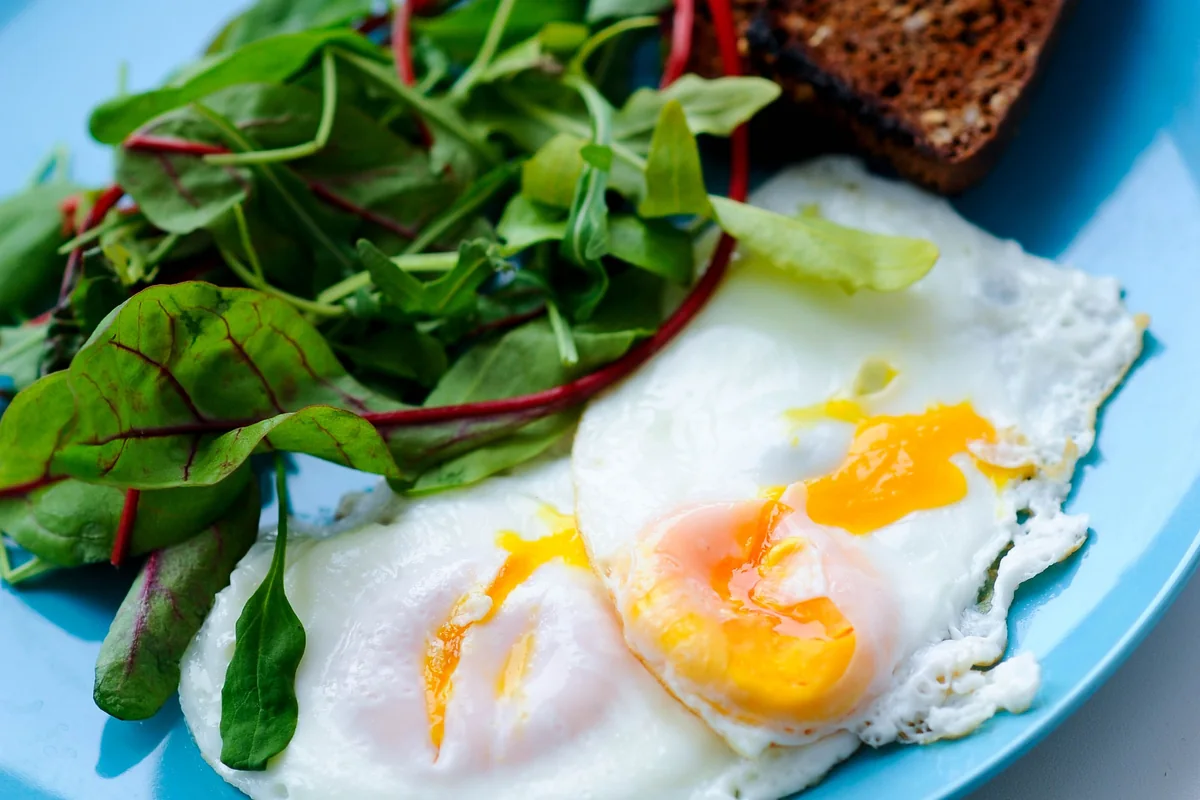
A balanced plate with vegetables, protein food and a wholegrain side.
A balanced plate with leafy vegetables, eggs and wholegrain toast.

The quick answer

Does every fatty liver meal have to match this plate exactly?

No. The plate method is a practical way to visualise balance at a meal, but it is not a rigid medical formula. Bradford Teaching Hospitals recommends aiming for half the plate to be vegetables or salad and dividing the other half between protein and carbohydrate. The wider NHS Eatwell Guide also stresses that you do not need to achieve the perfect balance at every meal; the overall pattern across a day or even a week matters.

That makes the method useful for planning without turning food into a set of strict rules. A breakfast such as porridge with berries and yoghurt will not physically look like the plate diagram, yet it can still fit a balanced overall eating pattern.

Useful distinction: the plate method helps with meal structure. It does not tell you a medically correct portion size for your body, calculate calories, or replace advice from your clinician or dietitian.

Build the plate

What goes in each section?

The aim is variety and an overall pattern that is easier to repeat, not finding one “perfect” food.

½

Vegetables or salad

Use non-starchy vegetables and salad generously: broccoli, peppers, tomatoes, leafy greens, cauliflower, courgette, carrots, cabbage, mushrooms, green beans or mixed frozen vegetables.

Practical shortcut: frozen vegetables, pre-cut vegetables and no-added-sugar tinned vegetables can make this much easier on busy days.

¼

Protein

Rotate options such as beans, lentils, chickpeas, fish, eggs, tofu, skinless poultry, plain yoghurt or other suitable protein foods. Your exact choices can follow a flexible, pescatarian or vegetarian pattern.

Useful habit: pulses can replace some or all of the meat in chilli, curry, stew and pasta sauces.

¼

Starchy carbohydrate

Choose foods such as potatoes, bread, rice, pasta, couscous or other grains. NHS guidance recommends choosing higher-fibre or wholegrain versions where practical, such as wholemeal bread, brown rice or wholewheat pasta.

No need to fear carbs: starchy foods are part of the NHS Eatwell Guide; the useful question is usually the type, balance and overall pattern.

Ordinary meals

Five ways the method can look in real life

Fish dinner

Roasted vegetables + baked salmon + new potatoes, with herbs and a small amount of olive or rapeseed oil.

Bean chilli

Peppers, onions and tomatoes + beans/lentils + brown or mixed-grain rice.

Chicken traybake

A large mix of roasted vegetables + skinless chicken + potatoes or wholegrain couscous.

Vegetarian curry

Cauliflower, spinach and peppers + chickpeas or lentils + brown rice or another suitable grain.

Quick lunch

Large mixed salad + tuna, egg, hummus or beans + wholemeal bread or a jacket potato.

Keep it flexible

What about breakfasts, soups, sandwiches and mixed dishes?

Not every meal separates neatly into three visible sections. The method still helps if you think about the ingredients rather than the shape of the finished food.

Porridge

Oats provide the starchy base; berries or other fruit add plant foods; plain yoghurt, milk, nuts or seeds can add protein and/or unsaturated fat depending on the combination.

Soup

A vegetable-and-lentil soup can combine vegetables and protein in the same bowl. Add wholegrain bread or another suitable starchy food if that makes the meal more complete for you.

Sandwich

Wholemeal bread provides the starchy component; a filling such as tuna, egg, hummus, chicken or beans can provide protein; add salad or vegetables inside and alongside.

Stew, curry or chilli

The vegetables, pulses or other protein and starchy side may all be mixed together. You can still judge whether vegetables are generous and whether the meal has a sensible protein and carbohydrate component.

Why it can be useful for MASLD

The method supports the wider dietary pattern — it is not the treatment itself

The 2024 EASL–EASD–EASO MASLD guideline recommends improving diet quality in a direction similar to a Mediterranean pattern, limiting ultra-processed foods rich in sugars and saturated fat, and avoiding sugar-sweetened drinks. A simple plate method can make those broad principles easier to put into practice because it encourages vegetables, a defined protein component and a measured place for starchy foods rather than letting one part of the meal dominate automatically.

But the evidence does not justify saying that following a plate diagram will reverse fatty liver, cure MASH or produce a specific amount of weight loss. The diagram is an organisational tool. The important part is the overall eating and lifestyle pattern, alongside appropriate medical care.

If weight loss has been recommended for you, the amount and pace should be discussed in the context of your health. This page deliberately does not turn the plate into a calorie target or weight-loss prescription.

Common pitfalls

Four things the plate method does not mean

These distinctions keep a simple planning tool from becoming a rigid or misleading diet rule.

“Carbohydrates are banned”

No. NHS guidance includes starchy carbohydrates as part of a healthy balanced diet and recommends higher-fibre or wholegrain choices where possible.

“Half the plate must always be raw salad”

No. Cooked, frozen and other minimally processed vegetables count too. Warm meals can fit the same principle.

“The diagram gives my exact portion size”

No. The diagram shows relative balance, not the amount of food your individual body requires.

“If one meal is different, I have failed”

No. The NHS Eatwell Guide specifically allows balance to be considered over a day or week rather than at every meal.

Put it into practice

Use the guide, then move to the tool that solves the next problem

This page owns the plate-method explanation. The tools and food guides handle the interactive and food-by-food jobs.

Plate Builder

Turn the method into an interactive visual meal with flexible, pescatarian or vegetarian choices.

Foods to Eat

See practical food groups and ordinary examples that fit the wider eating pattern.

Meal Planner

Organise compatible meal ideas into a seven-day plan without turning the output into a medical prescription.