A worked example, not a prescription

7-day fatty liver meal plan for a realistic week

This seven-day plan turns the broad eating guidance for MASLD into ordinary breakfasts, lunches and dinners you can actually picture shopping and cooking for. It uses vegetables, fruit, wholegrains or other higher-fibre starchy foods, beans and pulses, fish, poultry, eggs, plain yoghurt, nuts and mostly unsaturated fats, while keeping sugary drinks and heavily processed foods out of the everyday pattern.

This is a general example, not personalised medical nutrition therapy. Portions and meal choices may need changing for diabetes, kidney disease, advanced liver disease, pregnancy, allergies, unplanned weight loss or other clinical needs.

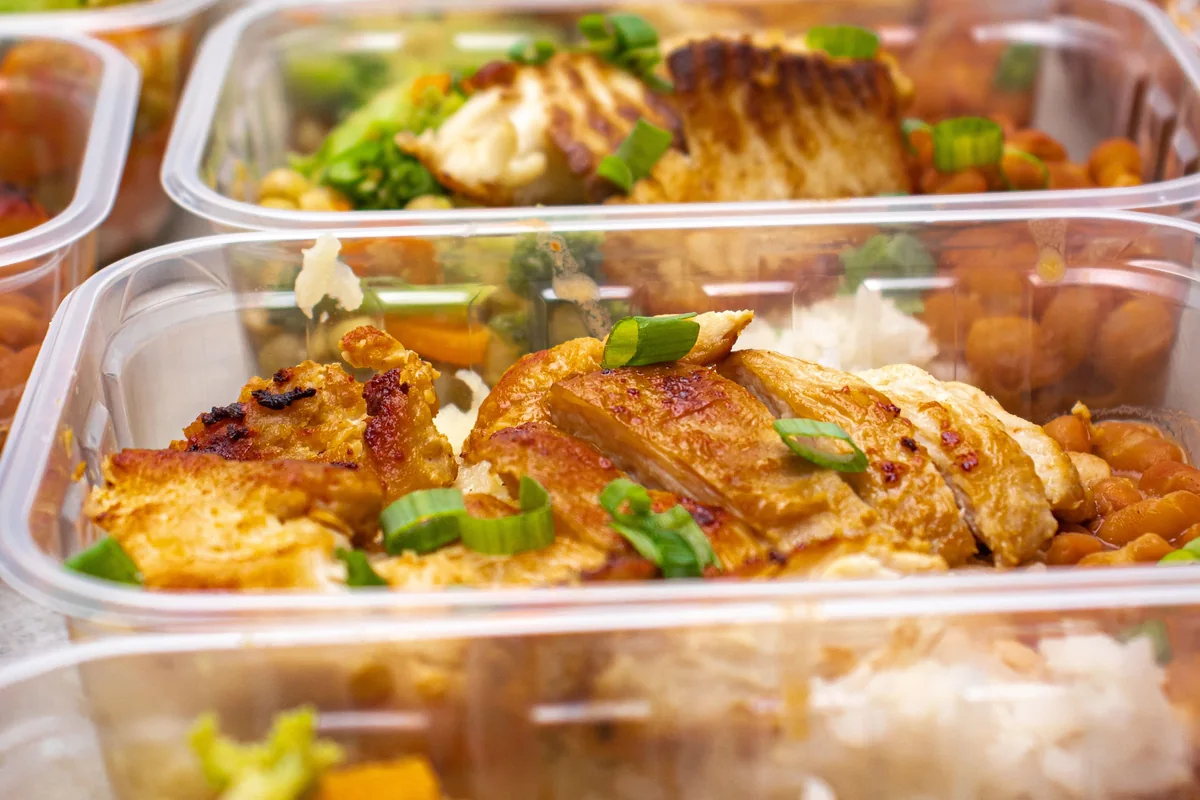
Prepared meal containers with vegetables, rice and chicken for a varied week.
A worked week can use repeatable meal components without turning into a rigid prescription.

The quick answer

What does this 7-day fatty liver meal plan aim to do?

Current MASLD guidance does not prescribe one official seven-day menu. Instead, it supports improving overall diet quality in a Mediterranean-style direction, limiting ultra-processed foods rich in sugars and saturated fat, and avoiding sugar-sweetened drinks. NHS guidance also emphasises balanced meals, vegetables and salad, higher-fibre starchy foods where practical, protein foods and mostly unsaturated fats.

This plan simply turns those principles into a week of normal food. It deliberately repeats ingredients, reuses leftovers and avoids a different complicated recipe for every meal. That is more realistic for shopping, cost and food waste — and it makes the plan easier to adapt to your own routine.

Not a seven-day “liver reset”: no one-week menu can guarantee reversal of fatty liver. If weight loss has been recommended for you, the appropriate pace and energy intake depend on your individual circumstances.

The worked week

Seven days of breakfast, lunch and dinner ideas

Optional snacks sit beneath each day. Vegetarian swaps are included where the main meal uses fish or poultry.

Day 1

Start simple and cook extra at dinner

Breakfast

Porridge made with oats, topped with berries and plain yoghurt; add a spoonful of chopped nuts or seeds if wanted.

Lunch

Wholemeal pitta with hummus, tomato, cucumber, peppers and mixed leaves; piece of fruit alongside.

Dinner

Baked salmon, boiled or roasted potatoes and a generous mix of broccoli and green beans, finished with lemon and a little olive or rapeseed oil.

Optional snack

Apple or pear with a small handful of unsalted nuts.

Prep forward: cook an extra salmon portion and extra vegetables for tomorrow's lunch. Vegetarian swap: use baked tofu or a bean-and-vegetable traybake.

Day 2

Turn yesterday's dinner into lunch

Breakfast

Wholegrain toast with scrambled or poached egg, tomatoes and spinach.

Lunch

Leftover salmon and vegetables tossed through mixed leaves with a small portion of wholegrain couscous or another wholegrain you have available.

Dinner

Red-lentil and vegetable curry with brown rice, using tomatoes, onion, spinach and whatever extra vegetables need using.

Optional snack

Plain yoghurt with berries or another portion of fruit.

Prep forward: make at least two portions of lentil curry so Day 3 lunch is already sorted. Vegetarian by default.

Day 3

Use a repeat breakfast and an easy leftover lunch

Breakfast

Overnight oats or porridge with chopped apple, cinnamon and walnuts.

Lunch

Leftover lentil-and-vegetable curry with extra salad or cooked vegetables if available.

Dinner

Chicken and vegetable traybake with peppers, courgette, red onion and new potatoes, seasoned with herbs and a measured amount of olive or rapeseed oil.

Optional snack

Carrot and cucumber sticks with hummus.

Prep forward: cook extra chicken and vegetables for Day 4 lunch. Vegetarian swap: roast chickpeas or tofu with the same vegetables.

Day 4

Keep lunch portable and dinner mostly plant-based

Breakfast

Plain yoghurt with oats, berries or chopped fruit, plus a small handful of nuts or seeds.

Lunch

Wholemeal wrap filled with leftover chicken or chickpeas, roasted vegetables and salad; use plain yoghurt, hummus or lemon instead of a heavy creamy dressing.

Dinner

Wholewheat pasta with a tomato, lentil and vegetable sauce; serve with a side salad.

Optional snack

Piece of fruit, or a small portion of unsalted nuts.

Prep forward: make extra pasta sauce for Day 5 lunch. The dinner is vegetarian as written.

Day 5

Reuse the sauce, then bring fish back at dinner

Breakfast

Wholegrain toast topped with mashed avocado and an egg, with tomatoes or fruit alongside.

Lunch

Leftover lentil-and-vegetable pasta sauce with wholewheat pasta, or spooned over a baked potato with salad if you want a change.

Dinner

Baked white fish with ratatouille-style vegetables and wholegrain couscous or a small baked potato.

Optional snack

Plain yoghurt and fruit.

Prep forward: cook an extra piece of fish and enough vegetables for tomorrow's lunch. Vegetarian swap: white beans or tofu with the ratatouille.

Day 6

Use leftovers at lunch and batch-cook dinner

Breakfast

Porridge with banana slices, cinnamon and a spoonful of seeds or chopped nuts.

Lunch

Leftover fish and vegetables with salad and wholegrain couscous, or turn the vegetables into a warm grain bowl and add beans if there is no fish left.

Dinner

Bean and vegetable chilli with brown rice, topped with fresh tomato, coriander or plain yoghurt if you like.

Optional snack

Fruit with a small handful of unsalted nuts.

Prep forward: make extra chilli so Sunday's lunch needs almost no work. Vegetarian by default.

Day 7

Finish the week without wasting what is left

Breakfast

Vegetable omelette with mushrooms, spinach and tomatoes, served with wholegrain toast.

Lunch

Leftover bean chilli with salad, reheated brown rice or a baked potato depending on what is left.

Dinner

Roasted mixed vegetables, chickpeas and quinoa or another wholegrain, with a lemon-herb dressing and a spoonful of plain yoghurt or hummus.

Optional snack

Fresh fruit or raw vegetables with hummus.

Use-it-up note: Sunday's dinner is deliberately flexible. Use remaining vegetables and grains rather than buying a special set of ingredients for one final meal.

The shopping backbone

Buy ingredients that appear more than once

A seven-day plan becomes expensive when every meal requires unique ingredients. This example is designed around a reusable core.

Vegetables & fruit

Leafy greens, tomatoes, peppers, onions, broccoli, green beans, courgette, carrots, cucumber, mushrooms, berries, apples or pears, bananas and lemons.

Wholegrains & starchy foods

Oats, wholegrain bread or wraps, potatoes, brown rice, wholewheat pasta and one grain such as wholegrain couscous or quinoa.

Protein foods

Beans, chickpeas, lentils, eggs, plain yoghurt, hummus, salmon, white fish and chicken — with tofu or extra pulses for vegetarian swaps.

Fats & flavour

Olive or rapeseed oil, unsalted nuts or seeds, herbs, spices, cinnamon, pepper and other lower-salt flavourings you already enjoy.

Flexible swaps

How to adapt the week without losing the overall pattern

The exact foods are less important than the pattern they create across the week.

If you do not eat fish

Use beans, lentils, chickpeas, tofu, eggs or another suitable protein you eat. Pescatarian and vegetarian filters are also available in the interactive Meal Planner.

If wholegrains are unfamiliar

Change gradually. Mix brown and white rice, try half wholewheat pasta, or simply choose the higher-fibre option you are most likely to keep eating.

If fresh produce is expensive

Frozen vegetables, frozen berries, tinned tomatoes and tinned pulses can all make the week easier. Choose products without lots of added sugar or salt where practical.

About portions

Why this plan does not give one calorie number

People searching for a fatty liver meal plan often encounter fixed 1,200-, 1,500- or 1,800-calorie menus. A single calorie target is not appropriate for everybody. Energy requirements vary with body size, age, sex, activity, health, medications and whether weight loss is clinically appropriate.

Use the meals here as combinations rather than prescriptions. The plate method can provide a simple visual starting point, while hunger, medical needs and professional advice should shape actual portions.

Get individual help when needed: if you have diabetes treated with glucose-lowering medication, kidney disease, advanced liver disease, unplanned weight loss, pregnancy, an eating disorder or complex dietary restrictions, use personalised clinical advice rather than following a generic online menu.

Next step

Use this week as a template, then personalise the practical details

The fixed example owns the 7-day meal-plan intent. These live tools help you adapt it without duplicating the page.

Meal Planner

Generate a different seven-day starting week around flexible, pescatarian or vegetarian preferences.

Recipe Finder

Find replacement meal ideas by cooking time, meal type and eating pattern.

Budget meal plan

See a lower-waste worked week built around versatile staples and planned leftovers.