Bean, barley and vegetable soup
Cannellini beans, pearl barley, tomatoes, carrots, celery, courgette and spinach in a hearty one-pot lunch.
Make the recipe →Midday food that actually works
There is no special lunch that treats fatty liver. A useful midday meal simply makes the wider MASLD eating pattern practical: vegetables or fruit, a suitable protein source, a higher-fibre staple when wanted, and mostly unsaturated fats — without making ultra-processed convenience food the everyday default.
These are general food ideas, not personalised medical nutrition advice. If you have diabetes treatment, kidney disease, advanced liver disease, food allergies, unplanned weight loss or another condition affecting diet, follow your clinical advice.
The quick answer
Current European MASLD guidance recommends improving overall diet quality in a Mediterranean-style direction, limiting ultra-processed foods rich in sugars and saturated fat, and avoiding sugar-sweetened drinks. NHS healthy-eating guidance similarly encourages vegetables and fruit, higher-fibre starchy foods, varied protein sources and mostly unsaturated oils.
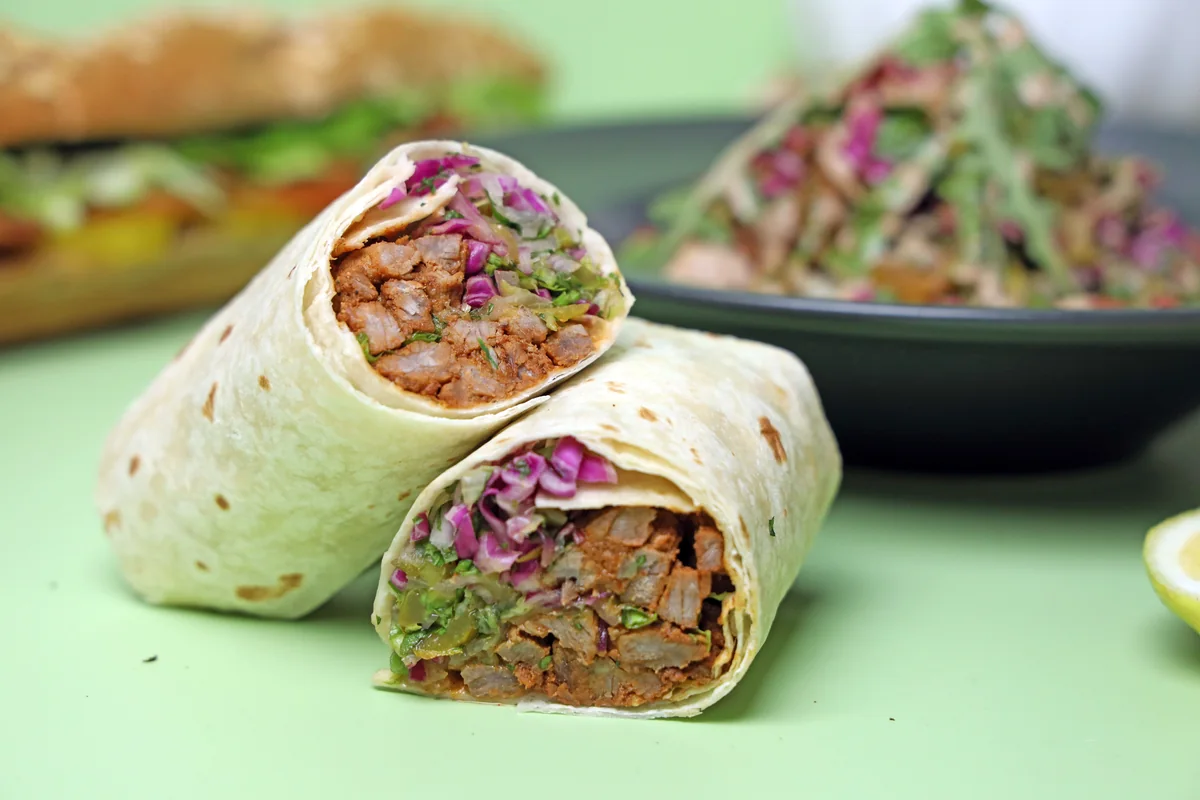
In practice, that can mean bean-and-vegetable soup with wholegrain bread; a chickpea grain bowl; tuna and bean salad; a wholegrain wrap with chicken or tofu and salad; or leftovers from a vegetable-rich dinner. Mayo Clinic gives bean-and-barley soup with spinach salad as one example lunch within a MASLD eating pattern. None of these dishes is a treatment by itself — they are ordinary lunches that fit the broader pattern.
Lunch directions
These are recipe directions rather than thin individual recipe pages. They show where this lunch cluster can grow once specific dishes deserve their own complete recipes.
Cannellini beans, pearl barley, tomatoes, carrots, celery, courgette and spinach in a hearty one-pot lunch.
Make the recipe →Combine chickpeas, cooked quinoa, roasted vegetables, herbs and a lemon-yoghurt or olive-oil dressing.
Tuna, cannellini beans, tomatoes, cucumber, spinach and herbs with a lemon-Dijon olive-oil dressing.
Make the recipe →Wholegrain wrap with cooked chicken, hummus, carrot, cucumber, red pepper and spinach with lemon.
Make the recipe →Pair lentils with beetroot, leaves, chopped walnuts and a mustard-lemon dressing; add wholegrain bread if useful.
Use wholegrain bread with hummus, roasted peppers or courgette, spinach and tomato for a meat-free packed lunch.
Turn properly chilled leftover salmon, potatoes and green vegetables into a cold lunch with lemon and herbs.
Chickpeas, cucumber, tomatoes, red pepper and spinach with a simple lemon-herb olive-oil dressing.
Make the recipe →Pair tofu with brown rice and mixed vegetables; use ginger, garlic, chilli or herbs for flavour instead of a very sugary sauce.
Serve boiled egg with cooked potato, tomatoes, cucumber, leaves and a yoghurt-herb dressing for a simple assembled lunch.
Top wholegrain toast with sardines and tomatoes, then add salad or vegetable sticks on the side.
Use a portion of homemade lentil-and-vegetable curry with brown rice or another wholegrain as a reheatable lunch.
Build your own
Salad leaves, tomatoes, cucumber, peppers, roasted vegetables, vegetable soup, frozen vegetables or fruit can all help make lunch less dependent on refined starch or processed meat.
Beans, lentils, fish, eggs, tofu, chicken, plain yoghurt and nuts/seeds can all play a role. Vary the source across the week instead of defaulting to processed meat every day.
Wholegrain bread, wraps, brown rice, barley, quinoa, wholewheat pasta or potatoes with skins are practical higher-fibre choices. Not every lunch needs every option.
Dressings, mayonnaise, cheese, crisps and sugary drinks can change the overall meal quickly. Use them thoughtfully rather than assuming a salad or wrap is automatically balanced.
Match lunch to the day
The best lunch idea is often the one that fits your kitchen, workplace and time. Use the Recipe Finder when ingredients, eating pattern or maximum cooking time matter most.
Wholegrain sandwiches/wraps, bean salads, grain bowls, cold potato-and-protein boxes and fruit all travel well with suitable cold storage.
Tinned fish or beans, pre-washed salad, wholegrain bread, leftover grains and chopped vegetables can make a fast assembled lunch.
Chickpeas, lentils, beans, tofu, eggs, plain yoghurt, nuts and seeds give plenty of midday routes without meat or fish.
Soup, lentil curry, bean chilli, grain bowls and properly stored leftovers can all be reheated when facilities are available.
Leftovers without guesswork
Leftovers are useful for reducing food waste and making lunch easier, but food safety still matters. Food Standards Agency advice is to cool cooked leftovers and put them in the fridge within two hours, then eat them within 48 hours or freeze them if that will not be possible.
If reheating leftovers, heat them until steaming hot throughout and only reheat them once. Cold leftovers can be eaten cold if they were cooked properly, cooled and refrigerated safely.
See the meal-prep week →Common lunch questions
No. A sandwich can be an ordinary lunch. Bread type, filling, vegetables, spreads and what you have alongside it all influence the overall meal. This site does not use a universal banned-food list.
No. Soup, grain bowls, wraps, leftovers and warm meals can all fit. A salad can also become very different nutritionally depending on dressing, cheese, processed meat and extras.
There is no single compulsory carbohydrate split for everyone with MASLD. Current guidance supports overall diet quality; NHS guidance includes higher-fibre starchy foods as part of a balanced diet. Follow personalised advice if your clinical needs differ.
Useful next steps
This hub owns lunch discovery. These live tools handle filtering, weekly planning and grocery organisation without duplicating it.
Filter lunch ideas by eating pattern, cooking time, ingredient and text search.
Place lunches alongside breakfasts, dinners and optional snacks across a complete example week.
Organise vegetables, pulses, bread, grains and other foods you genuinely intend to buy.
Move back to the main recipe library for breakfast, dinner and snack discovery.
Evidence checked 18 August 2026
See our editorial policy, evidence policy and medical disclaimer.