Apple slices with unsweetened peanut or almond butter
Use whole apple rather than juice, with a modest amount of nut butter that is not loaded with added sugar or salt.
Optional snacks, ordinary food
You do not need a special “liver snack”, and you do not have to snack at all. If a snack is useful between meals, keep it simple: fruit or vegetables, a suitable protein or unsaturated-fat source, and higher-fibre foods more often than sugary drinks, sweets or heavily processed snack foods.
These are general food ideas, not personalised medical nutrition advice. If you have diabetes treatment, kidney disease, advanced liver disease, allergies, swallowing problems, unplanned weight loss or another condition affecting diet, follow your clinical advice.
The quick answer
Current European MASLD guidance recommends improving overall diet quality in a Mediterranean-style direction, limiting ultra-processed foods rich in sugars and saturated fat, and avoiding sugar-sweetened drinks. Cambridge University Hospitals NHS guidance for fatty liver specifically suggests healthier snacks such as fruit, unsalted nuts, rice cakes and unsalted or unsweetened popcorn, while Mayo Clinic gives vegetables with almonds as a practical snack example.
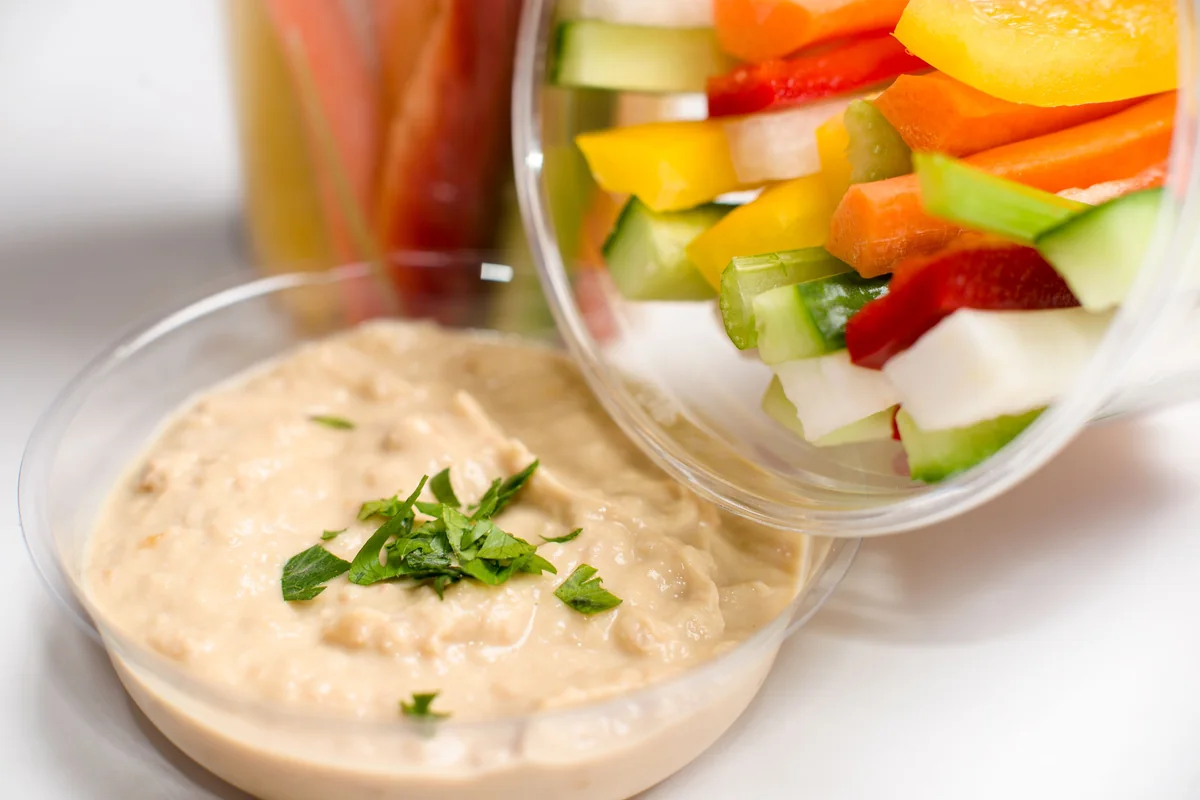
That means a useful snack can be as simple as an apple with a small spoon of unsweetened nut butter, carrots with hummus, plain yoghurt with berries, a boiled egg with tomatoes, or a handful of unsalted nuts with fruit. The snack itself is not a treatment. It is just one small part of the overall eating pattern.
Snack directions
These are snack combinations rather than thin individual recipe pages. Future recipes should only earn their own URL when they have complete ingredients, method, useful original detail and a reason to rank independently.
Use whole apple rather than juice, with a modest amount of nut butter that is not loaded with added sugar or salt.
Plain Greek-style yoghurt with berries, walnuts, chia and cinnamon — now a complete five-minute recipe.
Open the full recipe →Homemade lemon-and-cumin hummus with carrots, cucumber, peppers and wholemeal pitta — a practical no-cook snack box.
Open the full recipe →Easy to carry, requires no cooking and follows the fruit-and-nuts pattern used in Mediterranean-style eating.
A simple savoury option that can be prepared ahead and kept chilled safely until needed.
Crisp wholegrain oatcakes topped with cottage cheese, cherry tomatoes, chives and lemon — a complete 10-minute savoury snack.
Open the full recipe →Use cooked edamame with crunchy vegetables for a straightforward plant-protein snack without a sweet coating or sauce.
Air-popped or lightly prepared popcorn can be a useful crunchy base; avoid turning it into a sugar- or butter-heavy dessert.
A small slice of wholegrain toast topped with avocado and tomato works when you need something more substantial than fruit alone.
Crisp roasted chickpeas with smoked paprika, cumin, garlic and lemon — useful as a savoury snack or crunchy salad topper.
Open the full recipe →A ripe banana can provide the sweetness, with plain yoghurt and cinnamon instead of honey, syrup or a sweetened dessert pot.
A useful emergency snack when vending-machine choices dominate; keep the nuts unsalted and use whole fruit rather than a sugary drink.
Build your own
Fruit, vegetables, plain yoghurt, an egg, pulses, wholegrain oatcakes, unsalted nuts or seeds are all ordinary building blocks. There is no need for specialist liver products.
Pair fruit or vegetables with yoghurt, hummus, nuts, seeds, egg, edamame or another suitable protein/fat source. You do not need to combine foods if one simple item is enough.
Current MASLD guidance specifically recommends avoiding sugar-sweetened beverages. Water, sparkling water or an unsweetened drink is usually the simpler match.
This site does not prescribe a snack schedule or portion size. If you have personalised advice for diabetes, weight change, protein, sodium or energy intake, that advice takes priority.
Match the snack to the situation
Use the Recipe Finder when time, eating pattern or main ingredient matters. These broad routes keep the hub useful without manufacturing dozens of near-identical snack pages.
Whole fruit, unsalted nuts, plain yoghurt or pre-portioned vegetables work when there is no realistic cooking time.
Wholegrain toast with avocado, oatcakes with cottage cheese, or egg with vegetables can bridge a longer gap between meals.
Hummus, edamame, yoghurt or fortified alternatives, nuts, seeds, fruit and wholegrain foods create plenty of meat-free options.
Vegetable sticks, plain popcorn, roasted chickpeas or unsalted nuts can replace the automatic crisp/biscuit routine without needing specialist products.
When packaged snacks are easiest
Convenience foods can fit, but “protein”, “natural”, “low fat” or “healthy” on the front does not tell you the whole story. Cambridge University Hospitals NHS guidance encourages people with fatty liver to use food labels, and the wider MASLD evidence supports keeping ultra-processed, sugar-heavy choices less routine.
For packaged snacks, compare products within the same category rather than chasing perfection. Look at added sugars where shown, saturated fat, salt if relevant to you, and the ingredient list. Plain or minimally flavoured versions are often easier to fit than heavily coated or sweetened versions.
See the Foods to Limit guide for the broader pattern, or use the Food Lookup for common foods and drinks.
Common snack questions
No. Snacking is optional. If your meals meet your needs and you are not hungry between them, there is no requirement to add food. Your clinician or dietitian may advise differently for a specific medical reason.
Whole fruit is included in NHS healthy-eating guidance and Mediterranean-style dietary patterns. That is different from sugar-sweetened drinks or large amounts of juice. Individual carbohydrate advice can differ if you have diabetes or another condition.
Nuts and seeds are part of the Mediterranean dietary pattern described in current MASLD guidance and are rich in unsaturated fats. They are energy-dense, however, so this site does not prescribe a universal portion.
Useful next steps
This hub owns snack discovery. These live tools handle filtering, shopping and weekly planning without duplicating it.
Filter snack ideas by eating pattern, maximum time, ingredient or a simple search.
Add fruit, vegetables, yoghurt, hummus, nuts, seeds and other snack staples to one grouped grocery list.
Turn optional snacks on or off while building a full seven-day example week.
Move back to breakfast, lunch and dinner discovery when a snack is not what you need.
Evidence checked 18 August 2026
See our editorial policy, evidence policy and medical disclaimer.